Discover why Tanzania is Africa’s premier volunteer destination. From Mount Kilimanjaro to the Serengeti, affordable programs to life-changing impact—explore 10 compelling reasons to volunteer in Tanzania in 2026. Learn about safety, culture, wildlife, costs, and why this East African gem offers the perfect blend of adventure and meaningful service.
Choosing where to volunteer abroad is one of the most important decisions you’ll make. Should you head to Southeast Asia? Latin America? Or perhaps somewhere closer to home? While every destination has its merits, Tanzania stands out as a uniquely compelling choice—and here’s why.
Tanzania isn’t just another volunteer destination. It’s a country where your weekday service transforms communities while your weekends transform you. Where you’ll teach English to eager students against the backdrop of Mount Kilimanjaro, support healthcare in bustling clinics before embarking on Serengeti safaris, and build genuine friendships in one of Africa’s most welcoming nations.
Whether you’re a gap year student, career-break professional, or simply someone seeking purpose and adventure, Tanzania offers an unmatched combination of meaningful impact, cultural richness, natural wonder, and accessibility. Here are ten compelling reasons why volunteering in Tanzania should be at the top of your list.
1. Witness Some of Earth’s Greatest Natural Wonders
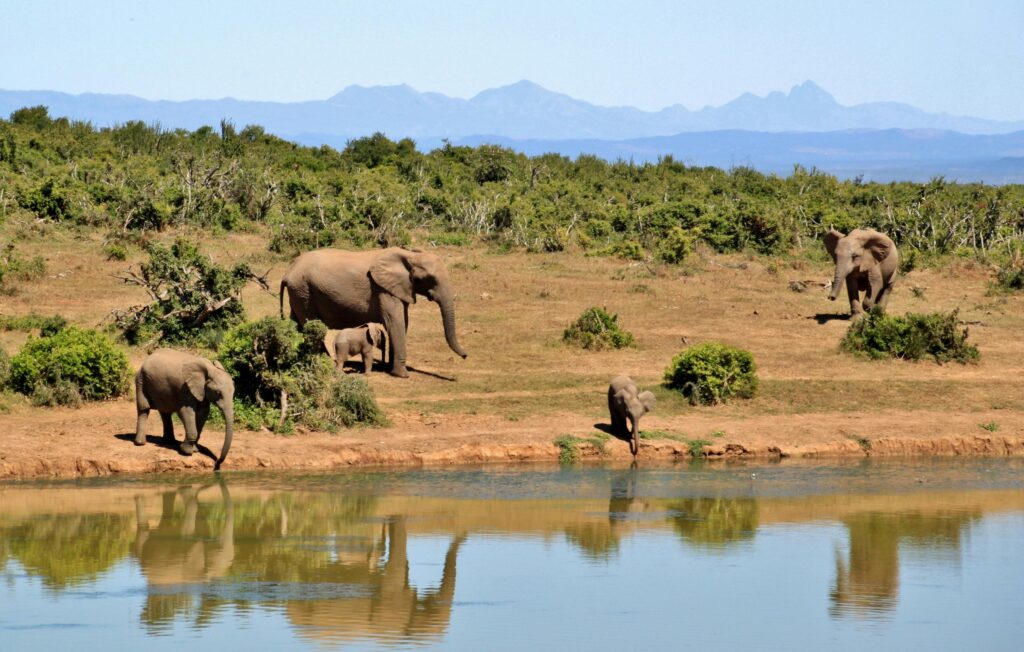
Let’s address the elephant in the room—or rather, the elephants in the Serengeti. Tanzania hosts some of the planet’s most iconic natural spectacles, and as a volunteer, you’re positioned to experience them affordably during your time off.
Mount Kilimanjaro: Africa’s highest peak (5,895m) towers over northern Tanzania. Many volunteers tackle this bucket-list climb during their placement, with treks starting from as little as $1,200 for 5-7 days—a fraction of what international tourists pay when you’re already in-country.
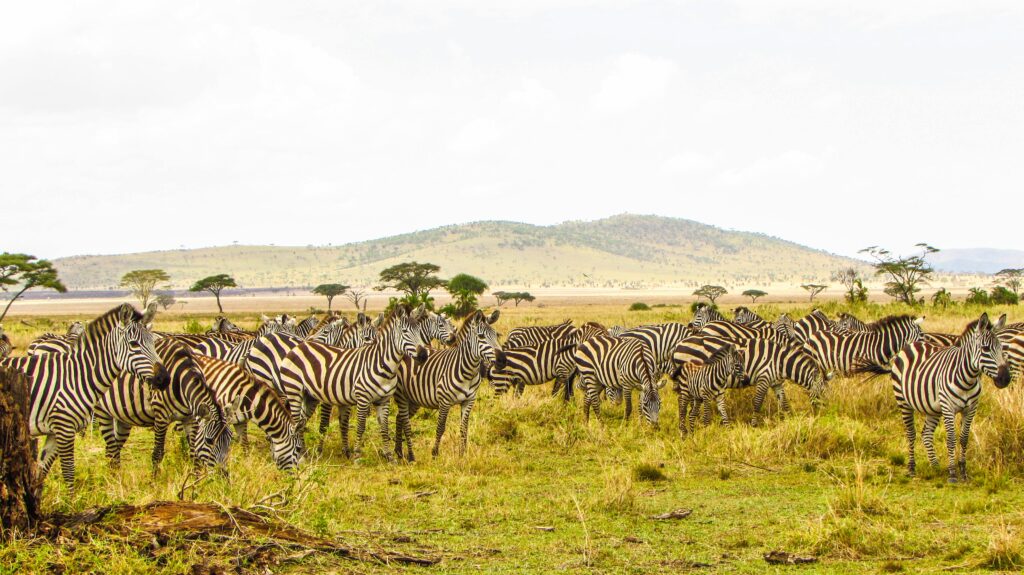
The Serengeti: Witness the Great Migration—over 1.5 million wildebeest and hundreds of thousands of zebras thundering across endless plains. Weekend safaris from volunteer hubs like Arusha cost $500-800 for three days, compared to $2,000+ for fly-in tourists.
Ngorongoro Crater: The world’s largest intact volcanic caldera, teeming with lions, elephants, rhinos, and flamingo-dotted lakes. Day trips are easily arranged from volunteer accommodations.
Zanzibar: After weeks of service, reward yourself with turquoise waters, spice plantations, and Stone Town’s winding alleys. Weekend flights from Dar es Salaam or Arusha cost as little as $50-100 each way.
The beauty of volunteering in Tanzania? These wonders aren’t just tourist postcards—they’re your weekend playground. No other volunteer destination offers this caliber of natural beauty so accessible from your placement.
2. Make Tangible, Measurable Impact in Communities That Need You
Voluntourism criticism is valid—many programs create dependency or displace local workers. Tanzania is different. The need is real, documented, and your contribution creates measurable change.
Education Crisis: Tanzania faces a severe teacher shortage with student-teacher ratios exceeding 50:1 in rural areas. Government curriculum emphasizes rote learning and grammar, leaving students unable to speak conversational English despite years of study. Your conversational practice sessions genuinely fill gaps the system cannot address.
Healthcare Challenges: With only 0.5 doctors per 1,000 people (compared to 2.6 in the US), clinics desperately need assistance with patient education, maternal health programs, and basic care support. Medical volunteers provide hands-on learning while easing overwhelmed staff burdens.
Economic Empowerment Gaps: Small businesses lack digital marketing skills, graphic design capabilities, and modern business practices. Volunteers with professional skills in ICT, marketing, accounting, or hospitality directly increase revenue for local operators—measurable impact that continues long after you leave.
Women’s Development: Tanzania ranks 140th out of 156 countries in gender equality. Women’s cooperatives need training in financial literacy, business skills, and market access. Your workshops create pathways to economic independence for women who face significant barriers.
Unlike some destinations where volunteers’ roles feel manufactured, Tanzania’s development challenges are documented by UN agencies, NGOs, and government reports. Your service addresses real gaps with lasting effects.
3. Experience Africa’s Most Affordable Volunteer Destination
Budget constraints shouldn’t limit your ability to make a difference. Tanzania offers exceptional value compared to other African volunteer destinations.
Cost Comparison (2-week programs):
- Tanzania: $380-630 (program + accommodation)
- Kenya: $600-900 (similar programs)
- South Africa: $800-1,200 (comparable duration)
- Ghana: $700-1,000 (West Africa alternative)
Daily Living Costs:
- Local meal: $2-5 (ugali, pilau, nyama choma)
- Dala-dala transport: $0.30-1 per ride
- Street food snacks: $0.50-2
- Local beer: $1.50-3
- SIM card + monthly data: $10-15
Total realistic budget: You can volunteer for 2 weeks including program fees, accommodation, flights, visa, and living expenses for under $2,000—less than a week-long luxury safari would cost. For budget travelers eating local and using public transport, monthly costs beyond program fees average just $200-300.
4. Immerse Yourself in ‘Hakuna Matata’ Culture and Genuine Hospitality
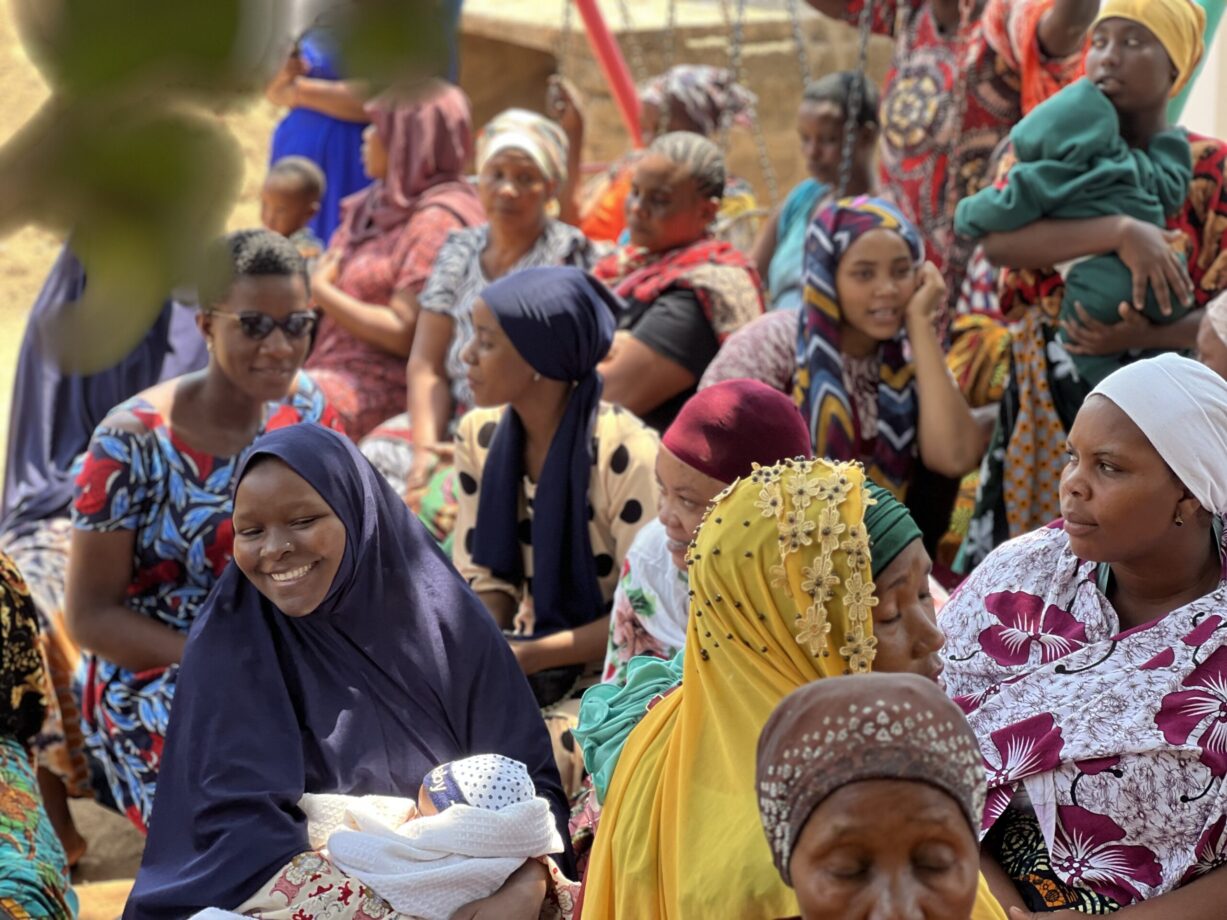
Tanzania’s greatest asset isn’t found in national parks—it’s the warmth of Tanzanian people. The phrase ‘Karibu Tanzania’ (Welcome to Tanzania) isn’t just a greeting; it’s a national ethos.
Swahili Culture: Unlike many African nations divided by colonial language barriers, Swahili unites Tanzania’s 120+ ethnic groups. English is widely spoken in cities, but learning basic Swahili opens doors to deeper connections. Within weeks, you’ll greet locals with ‘Habari za asubuhi’ (good morning) and bargain at markets in their language.
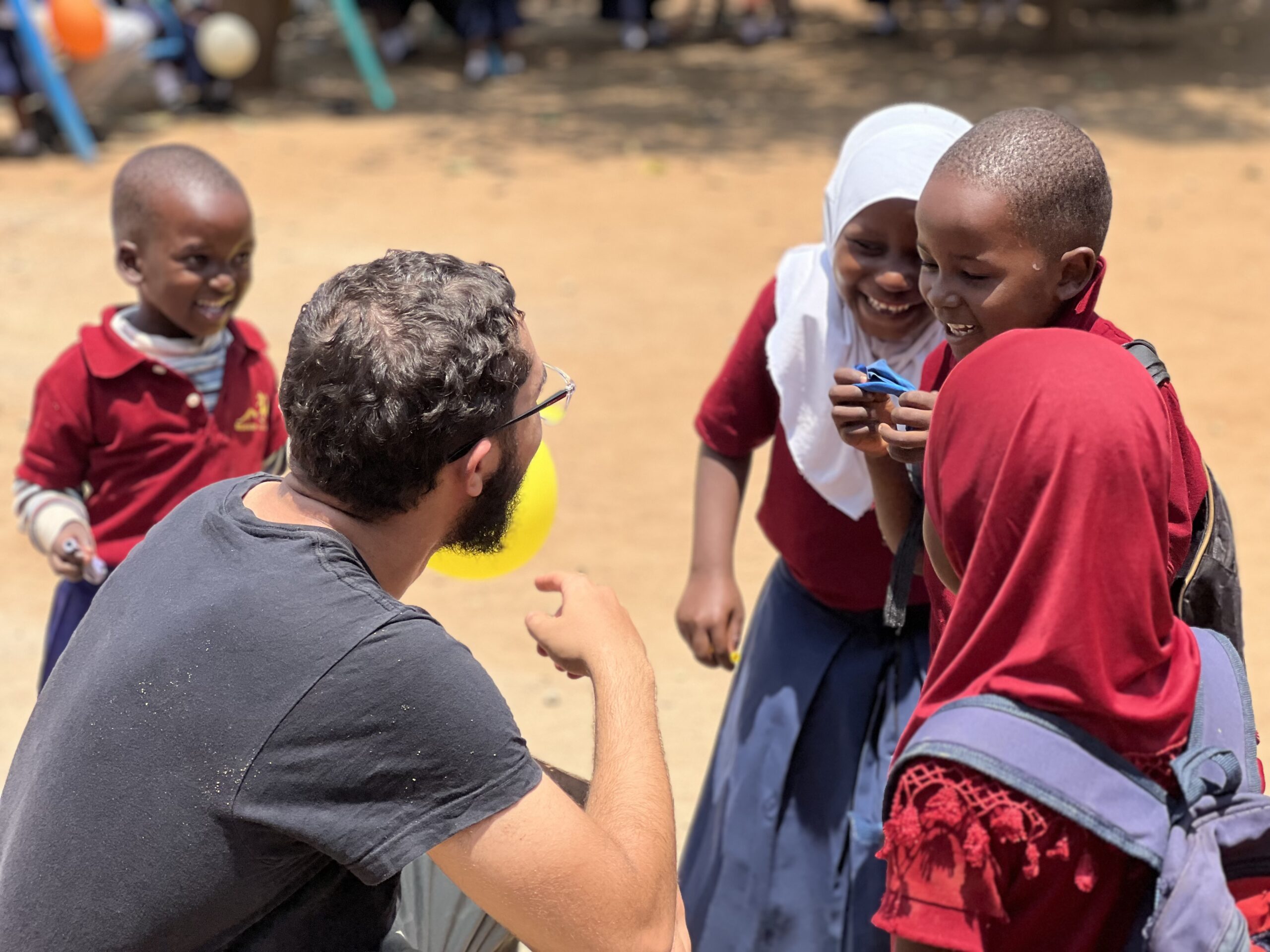
Ubuntu Philosophy: The concept ‘I am because we are’ permeates Tanzanian society. Communities genuinely welcome volunteers not as outsiders but as temporary members of their extended family. Don’t be surprised when your host mama insists you eat more, students want to practice English during breaks, or neighbors invite you to weddings.
Cultural Diversity: From Maasai warriors in traditional shuka to Chagga coffee farmers on Kilimanjaro’s slopes, from Zanzibar’s Swahili culture to Lake Victoria fishing communities—Tanzania showcases Africa’s incredible diversity within one peaceful nation. Weekend cultural tours provide authentic experiences, not staged tourist shows.
Real Story: A volunteer teaching in Moshi shared: ‘My students walked me home every day, not because it was unsafe, but because they wanted to keep practicing English and show me their favorite street food stalls. By week three, I knew half the neighborhood by name.’
5. Safety and Stability: Africa’s Peaceful Nation
Safety concerns prevent many potential volunteers from considering Africa. Tanzania shatters those stereotypes with its reputation as one of the continent’s most stable, peaceful nations.
Political Stability: Unlike some African nations plagued by conflict, Tanzania has maintained peace since independence in 1961. Democratic transitions occur peacefully, and the country hosts refugees from neighboring conflict zones, demonstrating its stability.
Low Violent Crime: Tanzania’s crime rates are significantly lower than South Africa, Kenya, or many Western cities. Petty theft exists (especially pickpocketing in tourist areas), but violent crime against foreigners is rare. Volunteer accommodations feature 24/7 security guards, and coordinators provide detailed safety orientations.
Established Volunteer Infrastructure: Decades of NGO presence and volunteer programs mean robust support systems exist. You’ll have local coordinators available 24/7, clear emergency protocols, vetted accommodations, and a community of fellow volunteers who share safety information.
Travel Infrastructure: Well-maintained roads connect major volunteer hubs (Arusha, Moshi, Dar es Salaam), reliable bus services run between cities, and domestic flights are affordable. You’re never truly isolated without support.
Practical Reality: Follow common-sense precautions—don’t walk alone at night, keep valuables hidden, avoid flashing cash—and you’ll find Tanzania as safe as any destination. Thousands of volunteers, including solo female travelers, complete placements without incident annually.
6. Perfect for First-Time International Volunteers
Never volunteered abroad before? Nervous about navigating a foreign country alone? Tanzania’s combination of infrastructure, language accessibility, and support systems makes it ideal for first-timers.
English Proficiency: English is Tanzania’s official language of education and business. In cities like Arusha and Dar es Salaam, most people speak functional English. Signs, menus, and official documents include English translations. You won’t face the language barriers common in Latin America or Southeast Asia.
Airport Pickup Included: Every reputable volunteer program provides airport pickup from Kilimanjaro International Airport or Dar es Salaam. You’ll be met at arrivals by a coordinator holding a sign with your name—no navigating foreign taxis or finding your accommodation alone on day one.
Comprehensive Orientation: Your first days include orientation covering local customs, safety protocols, how to use public transport, where to shop, currency exchange, SIM card setup, and cultural expectations. By the end of week one, you’ll feel confident navigating your new environment.
Built-in Community: Volunteer houses host multiple international volunteers simultaneously. You’ll have instant friends navigating the same challenges, organizing weekend trips together, and sharing experiences over communal dinners.
24/7 Coordinator Support: Local coordinators provide phone numbers, WhatsApp contacts, and regular check-ins. Feeling homesick? Having trouble at your placement? Need medical advice? Someone’s always available to help.
7. Enhance Your Resume and Professional Development
In today’s competitive job market, international volunteer experience differentiates you from other candidates. Tanzania placements develop skills employers actively seek.
Cross-Cultural Competency: Working effectively in Tanzania’s cultural context demonstrates adaptability, cultural intelligence, and global awareness—qualities multinational corporations and international organizations prize.
Leadership Under Constraints: Teaching 50+ students with limited materials, implementing projects without reliable electricity, or managing healthcare challenges with scarce resources builds problem-solving skills and resilience that translate to any professional setting.
Practical Skills: Teaching volunteers develop curriculum design, classroom management, and public speaking abilities. Medical volunteers gain tropical disease exposure and resource-limited healthcare experience. Business volunteers apply theoretical knowledge to real-world SME challenges.
Network Building: Connect with NGO professionals, international development practitioners, fellow volunteers from around the world, and local community leaders. These networks often lead to future opportunities, recommendations, and collaborations.
Real Impact on Applications: Graduate programs in international development, public health, education, and business specifically value Tanzania volunteer experience. Medical schools recognize tropical medicine exposure. Peace Corps and similar organizations favor applicants with prior developing-world experience.
8. Year-Round Opportunity with Flexible Timing
Unlike destinations with harsh winters or monsoon seasons that limit volunteering periods, Tanzania’s climate and school calendars offer flexibility year-round.
Temperate Climate: Arusha and Moshi, primary volunteer hubs, enjoy pleasant temperatures year-round (15-25°C/59-77°F). Even during rainy seasons, showers are typically afternoon thunderstorms, not all-day deluges. You’ll need a light jacket for evenings but never face extreme heat or cold.
Continuous School Terms: Tanzanian schools operate nearly year-round with short breaks, meaning teaching opportunities exist in any month. Unlike Western academic calendars with three-month summer breaks, you can volunteer during your specific availability.
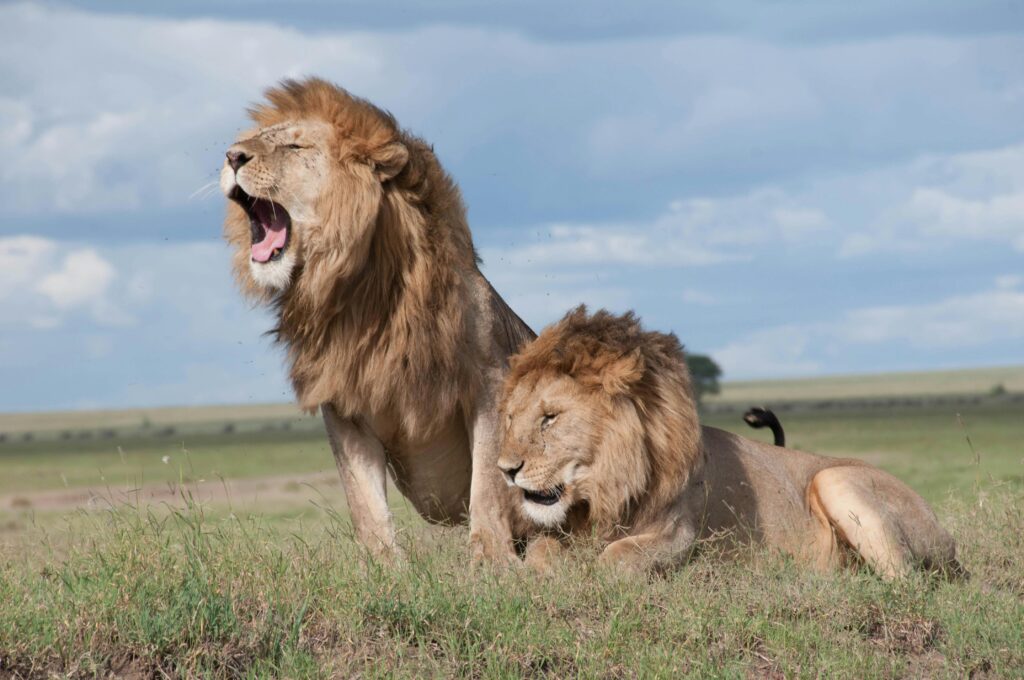
Wildlife Viewing: While the Great Migration has peak months (January-March for calving, June-July for river crossings), Tanzania’s national parks offer excellent wildlife viewing year-round. You won’t miss out by volunteering during ‘off-season.’
Program Duration Flexibility: Programs range from 1 week (though 2+ weeks recommended) to 6+ months. Gap year students can commit to 3-6 months, professionals on sabbatical might choose 4-8 weeks, and those with limited vacation can still make meaningful contributions in 2-3 weeks.
Best Times by Priority: June-October (dry season, peak wildlife, most volunteers), January-February (calving season, great weather), November-May (fewer tourists, lower costs, greener landscapes). Avoid only late April-May if you strongly dislike rain.
9. Unique Combination: Volunteer Monday-Friday, Safari on Weekends
Here’s what sets Tanzania apart from every other volunteer destination: nowhere else can you dedicate weekdays to meaningful service while spending weekends witnessing Earth’s greatest wildlife spectacles.
Volunteer in Arusha or Moshi Monday through Friday. Then on Saturday morning, join a budget safari to Tarangire National Park ($80-120 for a day trip). Watch elephant herds numbering in the hundreds gather at waterholes, witness lions lounging under acacia trees, and return to your volunteer house by evening. Sunday, recover and prepare for the coming week.
Or commit to a long weekend: Friday after your teaching shift, catch a bus to the Serengeti for a three-day camping safari ($500-800). Monday morning, you’re back teaching English, but now you carry stories of wildebeest migrations and lion prides that make your students’ eyes light up.
Other Volunteer Destinations Can’t Compete:
- Costa Rica: Beautiful beaches and rainforests, but wildlife viewing doesn’t approach Africa’s caliber
- Thailand: Amazing temples and food, but limited unique wildlife experiences
- Nepal: Himalayan trekking is spectacular, but requires week-long commitments incompatible with volunteer schedules
- Kenya: Similar wildlife, but higher costs and fewer affordable volunteer programs
Only Tanzania offers this unique value proposition: fulfill your service goals while simultaneously checking off bucket-list adventures. You’re not choosing between impact and experience—you’re getting both.
10. Build Lifelong Friendships and Global Connections
The relationships you build in Tanzania—with fellow volunteers, local colleagues, students, host families, and coordinators—often become the most valuable takeaway from your experience.
International Volunteer Community: Volunteer houses host people from dozens of countries—British gap year students, American pre-med volunteers, German nurses, Australian teachers, Canadian business professionals. Shared experiences of navigating Tanzanian culture, celebrating successes at placements, and weekend adventures create bonds that transcend borders. Alumni networks remain active years later.
Local Relationships: Your teaching colleagues will invite you to family celebrations. Students will write you letters years later describing how you inspired them. Host families often remain in touch, with volunteers returning for visits or hosting Tanzanian friends who study abroad. These aren’t transactional relationships—they’re genuine friendships based on mutual respect and shared experiences.
Professional Networks: NGO staff, local business owners, healthcare professionals, and fellow volunteers working in development sectors create networks that extend beyond Tanzania. Many volunteers leverage these connections for future opportunities, collaborations, or simply maintaining involvement with causes they care about.
Personal Growth: Beyond external connections, volunteering in Tanzania challenges your assumptions, expands your perspective, and often clarifies life direction. Countless volunteers report their Tanzania experience as transformative—not in a clichéd way, but through concrete shifts in career paths, value priorities, and understanding of global inequality and privilege.
Ready to Make Tanzania Your Next Chapter?
Tanzania isn’t just another stamp in your passport or another line on your resume. It’s where you’ll watch the sun rise over Kilimanjaro before teaching enthusiastic students whose limited resources never diminish their dreams. It’s where you’ll laugh with new friends from five continents over communal dinners of ugali and coconut rice. It’s where you’ll witness lions hunting on Saturday and help a women’s cooperative develop their business plan on Monday.
Most importantly, Tanzania is where your skills create measurable impact in communities facing real challenges—where teacher shortages, healthcare gaps, and economic barriers aren’t abstract problems but daily realities your presence helps address.
The combination of affordability, safety, accessibility, natural wonders, cultural richness, and genuine need makes Tanzania uniquely compelling. Whether you’re seeking adventure, professional development, cultural immersion, or simply to contribute meaningfully to a cause larger than yourself, Tanzania delivers on all fronts.
Your Tanzanian adventure starts with a single decision. Browse volunteer programs in teaching, healthcare, community development, or business support. Connect with coordinators who can answer your questions. Start planning the experience that thousands before you describe as life-changing. Tanzania is waiting to welcome you—Karibu!