Imagine waking up to the sight of Mount Kilimanjaro’s snow-capped peak bathed in golden sunrise light, spending your morning teaching English to eager students in a rural village, and ending your day watching elephants traverse the Serengeti plains. This is volunteering in Tanzania—a transformative experience that combines meaningful community work with adventures in one of Africa’s most spectacular countries.
Tanzania offers international volunteers something truly special: the opportunity to contribute to sustainable development initiatives while immersing yourself in rich Swahili culture, breathtaking landscapes, and warm-hearted communities. Whether you’re on a gap year, career break, or simply seeking purpose-driven travel, Tanzania volunteer programs provide life-changing experiences that benefit both communities and volunteers.
This comprehensive guide covers everything you need to know about volunteering in Tanzania in 2026, from the best volunteer opportunities to practical travel advice that will help you prepare for your journey.
About Tanzania: The Heart of East Africa
Geography and Natural Wonders
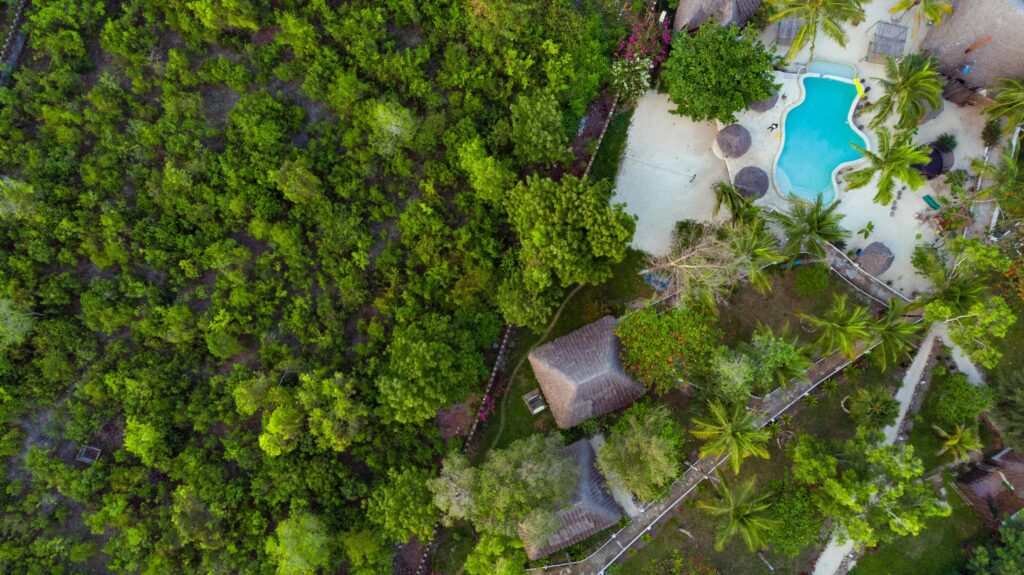
Tanzania is East Africa’s largest country, spanning 945,087 square kilometers of diverse landscapes that range from tropical coastlines to alpine highlands. The country borders eight nations including Kenya, Uganda, and the Democratic Republic of Congo, and boasts access to both the Indian Ocean and three of Africa’s Great Lakes—Victoria, Tanganyika, and Nyasa.
The geography of Tanzania reads like a nature lover’s wishlist. The country contains Africa’s highest peak (Mount Kilimanjaro at 5,895 meters), the continent’s largest game reserve (Selous Game Reserve), and the world-famous Serengeti ecosystem where the annual wildebeest migration creates one of nature’s most spectacular events.
Tanzania’s climate varies by region and altitude. Coastal areas remain warm and humid year-round, while highland regions like Arusha and Mbeya enjoy cooler, spring-like temperatures. The country experiences two rainy seasons—the long rains from March to May and short rains in November—with the dry season from June to October offering ideal conditions for wildlife viewing and outdoor activities.
Major Cities and Cultural Centers
Dar es Salaam, Tanzania’s largest city and commercial hub, pulses with energy along the Indian Ocean coast. While no longer the official capital, this vibrant metropolis serves as the country’s economic engine and main gateway for international travelers. The city’s mix of Arabic, Indian, and African influences creates a unique cultural blend reflected in its architecture, cuisine, and bustling markets.
Dodoma, designated as Tanzania’s capital in 1996, sits in the geographic heart of the country. This growing city represents Tanzania’s political center and offers glimpses into the nation’s administrative development.
Arusha, nestled at the foot of Mount Meru, serves as the safari capital of Tanzania. This highland city is the launching point for northern circuit adventures to Serengeti, Ngorongoro, and Kilimanjaro, while also hosting numerous volunteer programs focused on education and community development.
Mwanza, Tanzania’s second-largest city, stretches along the shores of Lake Victoria. Known for its rocky landscapes and fishing industry, Mwanza offers volunteer opportunities in healthcare, education, and economic empowerment in surrounding rural communities.
Zanzibar City (Stone Town), the cultural heart of the Zanzibar archipelago, enchants visitors with its UNESCO World Heritage labyrinth of narrow streets, carved doorways, and centuries-old architecture. The island’s unique history as a trading hub created a distinctive Swahili culture that continues to thrive today.
Tanzania’s Rich History and Culture
Tanzania’s history stretches back millions of years to humanity’s earliest ancestors. The Olduvai Gorge in northern Tanzania has yielded some of the most important paleoanthropological discoveries, establishing the region as a crucial site in understanding human evolution.
More recently, Tanzania’s coastal regions developed into important trading centers connecting Africa with Arabia, Persia, and India. This maritime trade created Swahili culture—a unique blend of African, Arabic, and Asian influences reflected in language, architecture, music, and cuisine.
The colonial period saw Tanzania (then Tanganyika and Zanzibar) under German and later British rule before gaining independence in 1961. Julius Nyerere, the nation’s founding father, guided Tanzania through independence and unity with Zanzibar in 1964, creating the United Republic of Tanzania.
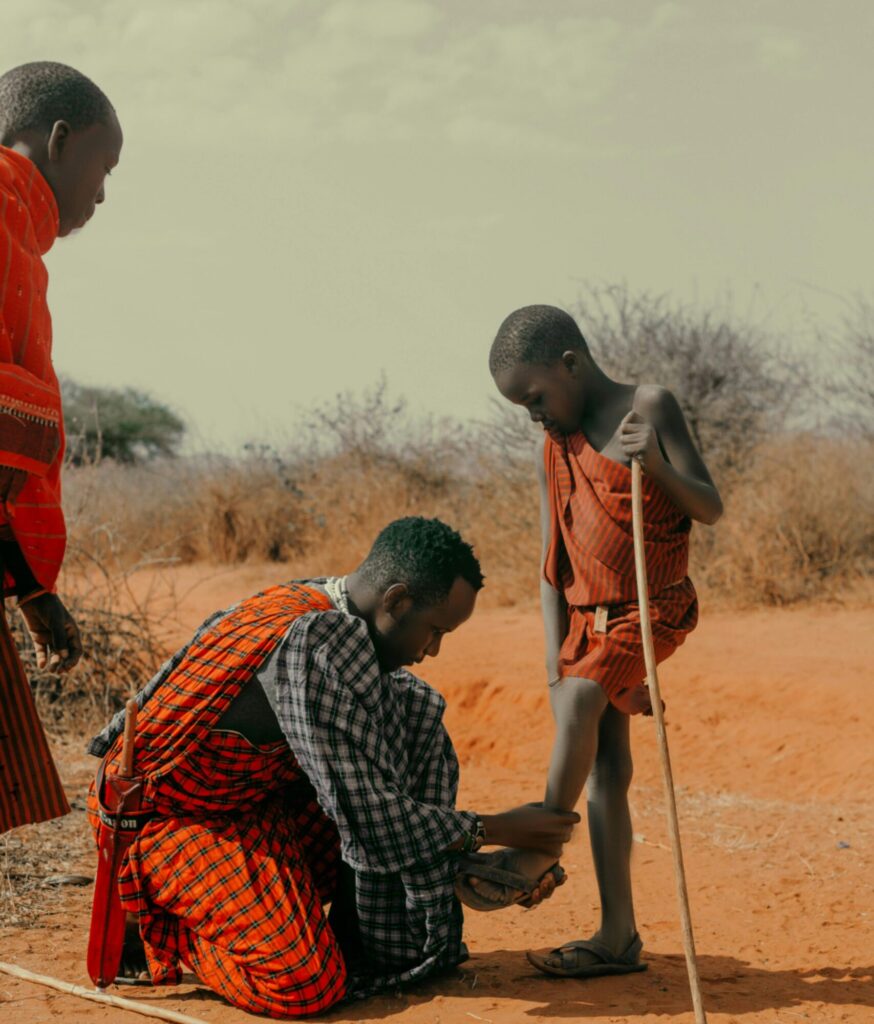
Today, Tanzania is home to over 120 ethnic groups, each with distinct languages and traditions. Despite this diversity, Swahili serves as a unifying national language alongside English. Approximately 60% of Tanzanians practice Christianity, 35% Islam (concentrated in coastal regions and Zanzibar), with the remainder following indigenous beliefs.
Cultural values that define Tanzanian society include profound respect for elders, strong community bonds expressed through the concept of “ujamaa” (familyhood), and the philosophy of “pole pole” (slowly, slowly)—a reminder that rushing rarely improves outcomes. Understanding these cultural foundations enhances your volunteering experience and builds meaningful connections with communities.
Top Volunteer Opportunities in Tanzania
Volunteer opportunities in Tanzania address genuine community needs while leveraging international volunteers’ skills and resources. The most impactful programs are those led by local organizations that have identified specific ways volunteers can support existing development initiatives.
Teaching and Education Programs
Education represents one of the most popular Tanzania volunteer programs, addressing real gaps in resources, teacher training, and English language instruction across the country.
Primary and Secondary School Teaching: Volunteers support classroom instruction in subjects including English, mathematics, sciences, and computer skills. These programs work best when volunteers collaborate with local teachers rather than replacing them, ensuring sustainability and respecting professional expertise within communities.
Early Childhood Education: Kindergarten and pre-primary programs benefit from volunteers who introduce play-based learning, early literacy activities, and creative teaching methods that complement traditional Tanzanian education approaches.
Adult Education and Literacy: Community-based adult education programs help adults (particularly women) develop literacy, numeracy, and English skills that improve employment opportunities and enable participation in their children’s education.
Teacher Training Workshops: Volunteers with teaching qualifications can facilitate professional development workshops sharing pedagogical techniques, classroom management strategies, and subject-specific knowledge with Tanzanian educators.
Library and Resource Development: Supporting school libraries, developing learning materials in Swahili, and creating educational resources ensure learning continues long after volunteers depart.
Successful education volunteering requires patience, cultural sensitivity, and recognition that different teaching methods reflect cultural values rather than deficiencies. The most effective volunteers adapt to local educational philosophy while sharing their knowledge respectfully.
Healthcare and Medical Volunteering
Healthcare volunteers in Tanzania work alongside local medical professionals to expand access to care in underserved regions. These programs require appropriate qualifications and always operate within Tanzanian healthcare regulations.
Clinical Support: Qualified medical professionals (doctors, nurses, physician assistants) volunteer in rural clinics and hospitals, supporting existing staff with patient care, training, and systems development.
Health Education and Outreach: Volunteers conduct community health workshops on topics including maternal health, nutrition, disease prevention, and sanitation. These programs often target women’s groups, youth organizations, and village health committees.
Mobile Medical Clinics: Some organizations operate mobile clinics reaching remote villages with limited healthcare access. Volunteers assist with patient intake, health screenings, and follow-up care coordination.
Medical Equipment and Supply Management: Volunteers with healthcare administration experience help clinics improve inventory systems, equipment maintenance, and supply chain management.
HIV/AIDS Education and Support: Community-based programs provide education, testing, and support services for people living with HIV/AIDS, working to reduce stigma and improve treatment adherence.
Healthcare volunteering carries significant responsibility. Volunteers must work within their professional scope, respect local medical knowledge, and understand that community health workers possess deep expertise about their communities’ specific health challenges.
Wildlife Conservation and Environmental Projects
Tanzania’s extraordinary biodiversity and iconic national parks create opportunities for volunteers passionate about conservation and environmental sustainability.
Wildlife Monitoring and Research: Conservation organizations welcome volunteers to assist with wildlife population surveys, behavior studies, and habitat monitoring in national parks and wildlife reserves.
Anti-Poaching Initiatives: Some programs involve volunteers in anti-poaching efforts through community education, ranger support, and promoting conservation-based livelihoods that provide alternatives to poaching.
Marine Conservation: Coastal and island programs focus on coral reef protection, sea turtle monitoring, sustainable fishing practices, and marine ecosystem education in communities dependent on ocean resources.
Reforestation Projects: Tree-planting initiatives combat deforestation while providing communities with sustainable timber, fruit trees, and improved watershed protection.
Environmental Education: School-based programs teach young people about ecology, conservation, and sustainable resource management, building environmental stewardship for future generations.
Permaculture and Sustainable Agriculture: Volunteers with agricultural expertise work with farming communities to implement sustainable techniques that improve food security while protecting ecosystems.
Conservation volunteering works best when local communities benefit economically from wildlife protection, creating sustainable incentives for conservation beyond international volunteer presence.
Community Development and Empowerment

Community development Tanzania programs address poverty, inequality, and limited opportunities through holistic, community-led initiatives.
Women’s Empowerment: Programs support women’s savings groups, business skills training, literacy education, and leadership development that advance gender equality and economic independence.
Youth and Sports Development: Sports programs teach life skills, leadership, and healthy living while providing positive alternatives to risky behaviors. Arts and music programs preserve cultural heritage while developing youth creativity and expression.
Microenterprise Development: Volunteers assist with business training, marketing strategy, and financial literacy for small business owners and entrepreneurs working to improve their families’ economic security.
Infrastructure Projects: Some programs involve volunteers in construction or renovation of schools, health clinics, water systems, and community centers, always working alongside community members who lead these initiatives.
Orphan and Vulnerable Children Support: Community-based programs provide educational support, counseling, and skills training for vulnerable children, prioritizing family-based care over institutional settings.
The most ethical community development programs follow local leadership, commit to long-term sustainability, and measure success by community-defined outcomes rather than volunteer satisfaction metrics.
Best Places to Visit in Tanzania
Volunteering in Tanzania offers the unique advantage of combining meaningful work with exploration of some of Africa’s most spectacular destinations. Most volunteer programs include time for travel, and many volunteers extend their stay to experience Tanzania’s natural and cultural wonders.
Serengeti National Park: The Endless Plains
The Serengeti ecosystem covers 30,000 square kilometers of grasslands, woodlands, and riverine forests teeming with wildlife. This UNESCO World Heritage Site hosts the annual Great Migration, where over two million wildebeest, zebras, and gazelles traverse the landscape in search of fresh grazing and water.
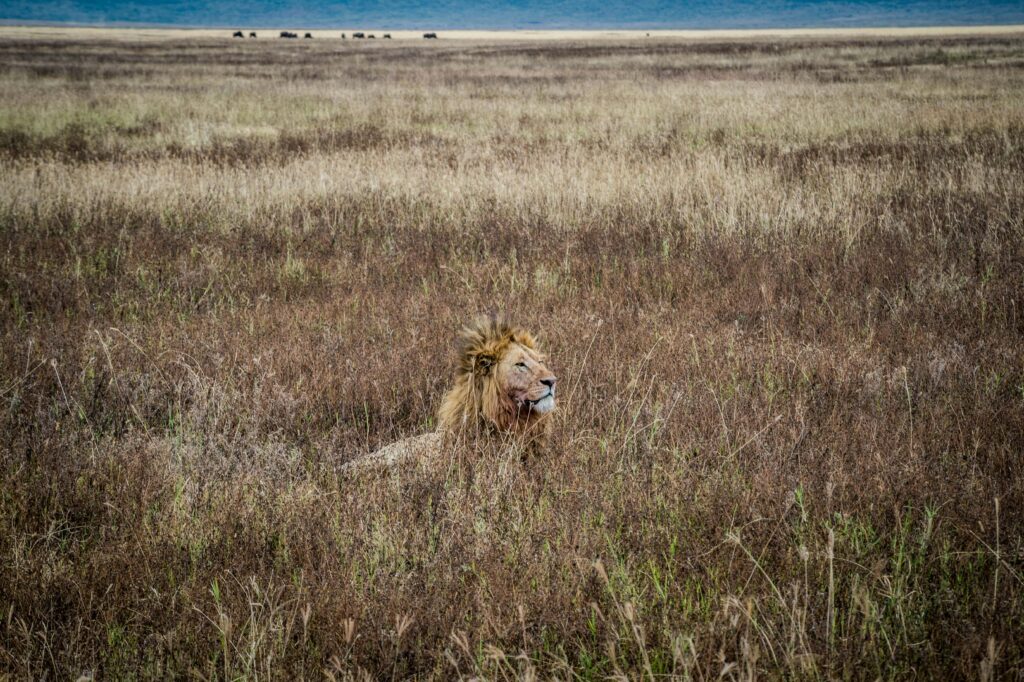
Beyond the migration spectacle, the Serengeti offers year-round wildlife viewing featuring lions, leopards, cheetahs, elephants, giraffes, and over 500 bird species. Game drives at sunrise and sunset provide unforgettable encounters with Africa’s iconic animals in their natural habitat.
The Serengeti connects to Kenya’s Maasai Mara ecosystem in the north and borders Ngorongoro Conservation Area to the east, creating one of the world’s most important wildlife corridors. Volunteer programs in nearby communities sometimes offer day trips or weekend safaris to the Serengeti, allowing volunteers to experience this natural wonder.
Mount Kilimanjaro: Africa’s Rooftop
Mount Kilimanjaro, Africa’s highest peak at 5,895 meters (19,341 feet), stands as one of the world’s most accessible high-altitude climbs, requiring no technical mountaineering skills. The mountain features several climbing routes ranging from five to nine days, each offering distinct landscapes and challenges.
Climbing Kilimanjaro takes trekkers through five ecological zones: cultivated farmland, rainforest, heath and moorland, alpine desert, and arctic summit. The journey culminates at Uhuru Peak, where climbers watch the sunrise over the African continent from above the clouds.
Many volunteers choose to climb Kilimanjaro either before beginning their volunteer placement or afterward as a celebratory challenge. The physical and mental demands of the climb mirror the transformative nature of volunteering—both require perseverance, humility, and openness to experiences that test your limits.
Ethical Kilimanjaro climbs ensure fair wages and proper equipment for porters and guides who make summit success possible. Choose operators committed to responsible tourism practices that benefit local communities.
Zanzibar: The Spice Islands
The Zanzibar archipelago, lying 25-50 kilometers off Tanzania’s coast, offers pristine beaches, vibrant coral reefs, and centuries of Swahili cultural heritage. Stone Town, the historic heart of Zanzibar City, enchants visitors with its maze of narrow streets, carved wooden doors, bustling markets, and waterfront promenades.
Zanzibar’s nickname “Spice Islands” reflects its history as a major producer of cloves, nutmeg, cinnamon, and other spices. Spice farm tours allow visitors to see, smell, and taste these crops while learning about Zanzibar’s agricultural traditions.
The archipelago’s beaches—particularly those on the northern and eastern coasts—feature powder-white sand and turquoise waters ideal for swimming, snorkeling, and diving. Many volunteers spend weekends or post-program time relaxing in Zanzibar, decompressing after intensive volunteer work in rural communities.
Cultural sensitivity is especially important in Zanzibar, where Islam shapes daily life. Modest dress, respectful behavior during prayer times, and awareness of cultural norms honor local values and traditions.
Ngorongoro Crater: The Garden of Eden
The Ngorongoro Conservation Area protects a massive volcanic caldera that creates a natural amphitheater for one of Africa’s densest concentrations of wildlife. The crater floor, spanning 260 square kilometers, hosts approximately 25,000 large animals including lions, elephants, rhinos, buffalos, and hippos.
Unlike traditional national parks, Ngorongoro allows Maasai pastoralists to live and graze their cattle within the conservation area, creating a unique model of human-wildlife coexistence. Visitors often observe Maasai herders moving their livestock past zebras and wildebeest, illustrating the integration of traditional livelihoods with conservation.
The crater’s steep walls and isolated ecosystem create a microcosm of East African habitats compressed into a single dramatic landscape. A day trip to Ngorongoro, often combined with visits to nearby Olduvai Gorge (the “Cradle of Mankind”), provides unforgettable wildlife encounters and insights into human evolution.
Lake Victoria and Western Tanzania
Lake Victoria, Africa’s largest lake and the world’s second-largest freshwater lake by surface area, shapes life for millions of Tanzanians living along its shores. Fishing communities, island cultures, and the bustling city of Mwanza offer different perspectives on Tanzanian life beyond the tourist circuits.
Rubondo Island National Park, located in Lake Victoria, provides sanctuary for chimpanzees, elephants, and numerous bird species while offering tranquil escape from mainland bustle.
Western Tanzania, including regions around Lake Tanganyika (the world’s longest and second-deepest freshwater lake), remains largely off typical tourist routes. These areas offer authentic cultural experiences and volunteer opportunities in communities rarely encountering international visitors.
Southern Highlands and Coastal Regions
The Southern Highlands near Mbeya feature cooler climates, tea plantations, and mountain landscapes reminiscent of Scotland or New Zealand. The Kitulo Plateau, nicknamed “God’s Garden,” explodes with wildflowers during the rainy season, creating botanical spectacles found nowhere else on Earth.
Tanzania’s southern coastline, including areas around Lindi and Mtwara, offers uncrowded beaches, traditional fishing villages, and access to marine parks perfect for snorkeling and diving. The Selous Game Reserve (recently renamed Nyerere National Park), Africa’s largest protected wildlife area, provides remote safari experiences away from northern circuit crowds.
These less-visited regions increasingly host volunteer programs, allowing participants to contribute to development initiatives while experiencing Tanzania beyond its famous destinations.
Why Volunteer in Tanzania
Choosing to volunteer in Tanzania goes beyond adding an impressive line to your resume or collecting Instagram-worthy experiences. The decision to volunteer carries real responsibilities and creates genuine opportunities for mutual transformation when approached ethically and thoughtfully.
Making Measurable Impact in Communities
Tanzania faces significant development challenges despite decades of progress. According to the World Bank, approximately 26% of Tanzanians live below the poverty line, with rates higher in rural areas. Access to quality education, healthcare, clean water, and economic opportunities remains limited in many regions.
When you volunteer through reputable organizations partnering with local community groups, your contribution directly supports initiatives that communities have identified as priorities. Your volunteer fees fund operational costs, staff salaries, and program materials that enable local organizations to expand their reach and impact.
Beyond financial support, volunteers bring skills, knowledge, and global connections that benefit local partners. Teachers share pedagogical techniques, healthcare workers train community health volunteers, business professionals mentor entrepreneurs, and all volunteers create international awareness about Tanzanian communities and their strengths.
The most meaningful impact occurs when volunteers recognize they’re supporting solutions already in motion, led by Tanzanians who understand their communities’ needs better than any outsider possibly could. Humility, respect for local expertise, and commitment to following community leadership define volunteers who create lasting positive change.
Personal Growth and Perspective Transformation
Volunteering in Tanzania changes how you see the world and your place in it. Living in communities where many people lack running water, electricity, and reliable income challenges assumptions about what constitutes necessity versus luxury, happiness versus hardship.
You’ll discover that joy doesn’t require wealth, that communities without material abundance often possess rich social connections and cultural traditions, and that problems you considered simple often have complex local contexts requiring nuanced solutions. These realizations humble, inspire, and motivate volunteers to reconsider their values and life choices.
The challenges of volunteering—communicating across language barriers, adapting to unfamiliar foods and customs, accepting that your contributions may seem small—build resilience, patience, and cultural competence that serve you throughout life. You’ll return home with expanded worldviews, increased confidence, and often a redefined sense of purpose.
Many volunteers report that their time in Tanzania ranks among their most formative life experiences, influencing career choices, relationship perspectives, and ongoing commitment to social justice and global engagement.
Deep Cultural Exchange and Lifelong Connections
True cultural exchange happens in the everyday moments: learning to cook ugali over a charcoal stove while your host family patiently corrects your Swahili pronunciation, celebrating holidays you’d never heard of, and understanding that “on time” means something very different in pole pole culture.
Tanzanian communities welcome respectful volunteers with remarkable warmth and generosity. You’ll likely be invited into homes, included in celebrations, and adopted into extended families who will check on you long after you’ve returned home. These relationships transcend the volunteer-community dynamic, evolving into genuine friendships based on mutual respect and affection.
Cultural exchange flows in both directions. Communities gain exposure to different perspectives, international connections, and sometimes specific knowledge volunteers bring. Volunteers gain humility, expanded cultural awareness, and understanding that challenges their assumptions about development, happiness, and community.
The most powerful aspect of volunteering in Tanzania is witnessing community-led change firsthand and recognizing that local people are solving complex problems with creativity, determination, and intimate knowledge of their own contexts. This recognition transforms how you engage with global issues throughout your life.
Developing Professional Skills in Real-World Contexts
Tanzania volunteer programs provide hands-on experience in international development, education, healthcare, or conservation that few classroom or entry-level positions offer. Working in resource-limited settings requires creativity, problem-solving, and adaptation—skills highly valued by employers and graduate programs.
Teaching volunteers develop classroom management abilities, cross-cultural communication skills, and curriculum development experience applicable to education careers anywhere. Healthcare volunteers gain clinical exposure while learning to provide quality care without expensive equipment or extensive pharmaceutical options.
Conservation volunteers acquire field research skills, wildlife monitoring techniques, and understanding of human-wildlife conflict resolution strategies valuable for environmental careers. Community development volunteers build project management abilities, stakeholder engagement skills, and cultural competence essential for nonprofit, government, or corporate work addressing social issues.
These practical skills complement formal education, demonstrating to future employers or academic institutions that you can thrive in challenging environments, work across cultural differences, and contribute meaningfully to teams pursuing complex goals.
Practical Travel and Volunteer Tips for Tanzania
Successful volunteering in Tanzania requires practical preparation covering everything from visa requirements to packing lists. This section addresses the logistical details that ensure smooth arrival and effective service.
Visa Requirements and Entry Procedures
Most international volunteers require a visa to enter Tanzania. Citizens of most countries can obtain a single-entry tourist visa ($50 USD) or multiple-entry visa ($100 USD) upon arrival at major airports and border crossings. However, checking current requirements through the Tanzania Immigration Department or your country’s Tanzanian embassy is essential, as policies change periodically.
Some volunteers prefer obtaining visas in advance through Tanzanian embassies or consulates in their home countries, avoiding potential delays at ports of entry. The online e-Visa system (https://eservices.immigration.go.tz/visa/) allows travelers to apply and pay before departure, streamlining arrival procedures.
Your passport must remain valid for at least six months beyond your planned departure date from Tanzania. Ensure you have several blank pages for stamps and potential visas for regional travel.
Volunteers staying longer than 90 days may require residence permits rather than tourist visas. Reputable volunteer organizations assist with appropriate visa applications based on program length and activities.
Best Times to Visit and Volunteer
Tanzania’s climate varies significantly by region and altitude, creating different optimal times for volunteering depending on your placement location and personal preferences.
Dry Season (June-October): This period offers ideal conditions for wildlife viewing as animals concentrate around water sources. Temperatures remain comfortable, rainfall is minimal, and roads are more easily passable. However, this high season brings larger crowds at tourist destinations and higher prices for safaris and accommodations.
Short Dry Season (December-February): Another excellent period for travel, particularly in northern regions. This season offers good wildlife viewing with fewer tourists than June-October.
Long Rains (March-May): Heavy rainfall makes some rural roads impassable and creates challenging conditions for outdoor activities. However, volunteering continues during rainy season, and this period offers lush, green landscapes and lower tourist prices. Some volunteers prefer rainy season for deeper community immersion without tourist distractions.
Short Rains (November): Brief afternoon showers characterize this transitional month. Conditions generally remain suitable for volunteering with occasional weather disruptions.
Most volunteer programs operate year-round, allowing flexible start dates. Consider your personal weather preferences, desired travel experiences, and program requirements when selecting timing.
Health, Safety, and Vaccinations
Tanzania is generally safe for international volunteers who take reasonable precautions. Like any destination, urban areas require awareness of pickpocketing and petty theft, while rural regions present minimal crime concerns but different challenges like limited medical facilities.
Required and Recommended Vaccinations:
- Yellow Fever: Required if arriving from yellow fever endemic countries; recommended for all travelers
- Routine Vaccines: Ensure MMR, DTaP, chickenpox, polio, and yearly flu vaccines are current
- Hepatitis A and B: Strongly recommended for all travelers
- Typhoid: Recommended, especially for those staying in rural areas or eating street food
- Rabies: Consider pre-exposure vaccination if working with animals or in remote areas
- Meningitis: Recommended for those working closely with local populations
- COVID-19: Follow current recommendations and entry requirements
Consult a travel medicine specialist 4-6 weeks before departure for personalized recommendations based on your itinerary, medical history, and program activities.
Malaria Prevention: Most of Tanzania, including Dar es Salaam and Zanzibar, is considered a malaria risk area. Prophylactic medication (such as Malarone, doxycycline, or mefloquine) is strongly recommended. Discuss options with your doctor to identify the most suitable medication for your health profile and trip duration.
Prevention also includes using insect repellent containing DEET, sleeping under mosquito nets (usually provided by volunteer accommodations), and wearing long sleeves and pants during dawn and dusk when mosquitoes are most active.
Travel Insurance: Comprehensive travel insurance covering medical emergencies, evacuation, trip cancellation, and lost belongings is essential. Verify that your policy covers volunteer activities—some insurers exclude certain volunteer work or require additional coverage. Organizations like World Nomads and IMG offer insurance designed for volunteers and extended travelers.
What to Pack for Volunteering in Tanzania
Packing appropriately for Tanzania volunteer programs requires balancing practical necessities with space and weight limitations. Most volunteers live modestly, so extensive wardrobes and luxury items are unnecessary.
Clothing Essentials:
- Lightweight, breathable clothing in natural fabrics (cotton, linen)
- Modest attire covering shoulders and knees (especially for women)
- One warm layer for cool evenings in highland regions
- Sturdy, comfortable walking shoes and sandals
- Sun hat and sunglasses
- Swimsuit for beach trips (one-piece or modest styles for women)
- Light rain jacket or umbrella
Toiletries and Personal Care:
- Sunscreen (SPF 30+) and lip balm
- Insect repellent containing 30-50% DEET
- Basic first aid kit with band-aids, pain relievers, anti-diarrheal medication
- Prescription medications in original containers with copies of prescriptions
- Hand sanitizer and wet wipes
- Personal hygiene products (tampons/pads may be difficult to find in rural areas)
Volunteer Work Items:
- Small backpack for daily activities
- Flashlight or headlamp with extra batteries (power outages are common)
- Reusable water bottle with filtration or purification tablets
- Teaching materials, books, or supplies relevant to your project (if space allows)
- Photos of your home, family, and country for cultural sharing
- Small gifts from your country for host families (avoid giving money or expensive items)
Electronics and Documentation:
- Phone with unlocked SIM slot for local SIM card
- Portable charger/power bank
- Universal power adapter (Tanzania uses Type D and G plugs, 230V)
- Copies of passport, visa, insurance documents, and vaccination records (both physical and digital)
- Emergency contact information for your volunteer organization
What NOT to Bring:
- Expensive jewelry or electronics that could attract theft
- Camouflage clothing (illegal in Tanzania)
- Excessive amounts of anything (you can purchase basics in Tanzania)
- Too many “nice” clothes (casual, practical attire is most appropriate)
Money Matters and Budgeting
Tanzania’s currency is the Tanzanian Shilling (TZS). US Dollars are widely accepted for large purchases, tourist activities, and volunteer program fees. Credit cards work in major cities and tourist areas but are unreliable in rural regions.
Daily Expenses (approximate):
- Meal at local restaurant: 5,000-15,000 TZS ($2-6 USD)
- Water bottle: 500-1,000 TZS ($0.25-0.50 USD)
- Local transport (daladala/minibus): 400-800 TZS ($0.20-0.35 USD)
- SIM card and data bundle: 10,000-30,000 TZS ($4-12 USD)
Most volunteer programs include accommodation and meals, significantly reducing daily expenses. Budget for personal items, weekend excursions, souvenirs, and post-program travel.
ATM and Banking: ATMs exist in cities and larger towns, but may be unavailable or unreliable in rural areas. Carry sufficient cash before heading to remote placements. Notify your bank of travel dates to prevent card freezes. Bring clean, newer US dollar bills (printed 2006 or later) for better exchange rates—torn or heavily marked bills may be rejected.
Communication and Staying Connected
Mobile Phones: Tanzania has good mobile network coverage in populated areas. Purchase a local SIM card (Vodacom, Airtel, or Tigo are major providers) at the airport or in any town for about $1-2. Data bundles are inexpensive, allowing regular contact with family and friends.
Internet Access: WiFi is available at many accommodations, cafes, and restaurants in cities and tourist areas. Rural placements may have limited or no internet access, which many volunteers find liberating and conducive to deeper cultural immersion.
Staying in Touch: WhatsApp is the primary communication platform in Tanzania. Most locals and volunteer coordinators use it for messaging, calls, and sharing photos. Download it before departure if you don’t already have it.
Cultural Etiquette and Social Norms
Understanding Tanzanian cultural norms demonstrates respect and facilitates relationship building:
Greetings: Always greet people before beginning conversations. “Jambo” (hello), “Habari” (how are you?), “Shikamoo” (respectful greeting for elders) are appreciated efforts, even if you don’t speak fluent Swahili.
Dress Codes: Dress modestly, especially in rural and Muslim-majority areas. Women should cover shoulders and knees; men should avoid shorts and sleeveless shirts in villages. Beaches and tourist areas allow more casual attire.
Meal Etiquette: Eat with your right hand only (the left is considered unclean). Wait for elders to begin eating before you start. Finish what’s on your plate to show appreciation.
Photography: Always ask permission before photographing people, particularly in rural areas and religious sites. Some people may request payment for photos or may decline—respect their wishes.
Punctuality: Tanzania operates on “pole pole” (slowly, slowly) time. Meetings and events often start late. Be patient and adaptable while maintaining your own commitments punctually.
Gift Giving: Small gifts from your home country make appreciated gestures for host families. Avoid giving money, which can create uncomfortable dynamics. Photos, postcards, or small cultural items work well.
How to Get Started with VolunteerTanzania.com

Ready to begin your volunteering journey in Tanzania? VolunteerTanzania.com makes the application process straightforward, ensuring you find a placement that matches your skills, interests, and goals while meeting genuine community needs.
Step 1: Explore Available Programs
Visit VolunteerTanzania.com and explore the diverse volunteer opportunities in Tanzania across education, healthcare, community development, conservation, and specialized projects. Each program page provides detailed information about:
- Project goals and community impact
- Typical volunteer activities and daily schedules
- Required skills, qualifications, and experience levels
- Placement locations and living conditions
- Program duration options and start date flexibility
- Costs and what’s included in program fees
Take time to read volunteer testimonials and browse photo galleries showing authentic experiences rather than staged tourist images. Consider which programs align with your professional background, personal interests, and desired level of challenge.
Step 2: Request Information or Apply Online
Once you’ve identified programs of interest, complete the online inquiry form or application. The Volunteer Tanzania team responds promptly to answer questions, provide additional details, and discuss which placements might best suit your situation.
The application typically requests:
- Personal and contact information
- Educational background and work experience
- Skills and qualifications relevant to volunteer work
- Preferred program areas and locations
- Available dates and desired duration
- Medical information and dietary requirements
- Emergency contact details
Be honest and specific in your application. Organizations can better match you with appropriate placements when they understand your genuine capabilities, limitations, and motivations.
Step 3: Complete Pre-Departure Preparation
After acceptance, VolunteerTanzania.com provides comprehensive pre-departure support including:
Practical Guidance: Detailed information about visa applications, travel insurance, vaccinations, packing recommendations, and flight bookings to ensure smooth travel planning.
Cultural Orientation: Resources about Tanzanian culture, basic Swahili lessons, cultural norms, and what to expect from daily life in your placement community help you arrive culturally prepared and respectful.
Project Briefing: Specific information about your volunteer role, project objectives, supervisor contacts, and living arrangements so you understand exactly what you’ll be doing and where you’ll be staying.
Welcome Packet: Documents including emergency contacts, local transportation information, safety guidelines, and recommendations for your first days in Tanzania.
Many volunteers find the pre-departure preparation period exciting but also somewhat anxious. The VolunteerTanzania.com team remains available to answer questions, address concerns, and provide reassurance as your departure date approaches.
Step 4: Arrival and Orientation in Tanzania
VolunteerTanzania.com arranges airport pickup in Dar es Salaam or other arrival cities, ensuring safe transport to your orientation location. The in-country orientation typically covers:
- Safety and security guidelines specific to Tanzania
- Cultural norms and appropriate behavior in communities
- Swahili language basics for daily communication
- Local transportation systems and how to navigate them
- Health and emergency procedures
- Introduction to your project site and community
Orientation provides opportunities to meet other volunteers, ask final questions, and acclimate to Tanzania before heading to your placement. Some volunteers arrive a few days early to explore Dar es Salaam or Stone Town before beginning their program.
Step 5: Begin Your Volunteer Placement
You’ll travel to your placement community where local coordinators welcome you, introduce you to host families or volunteer accommodations, and orient you to your specific project. The first week typically involves:
- Meeting project staff, local partners, and community members
- Observing existing programs and understanding community context
- Gradually taking on responsibilities as you become comfortable
- Learning daily routines for meals, work schedules, and free time
- Building relationships with local colleagues and community members
Be patient with yourself during the adjustment period. Culture shock, language barriers, and unfamiliar living conditions affect everyone differently. The VolunteerTanzania.com team remains accessible throughout your placement for support, questions, or concerns.
Step 6: Make the Most of Your Experience
Successful volunteering requires active engagement, cultural humility, and flexibility:
- Follow local leadership: Recognize that community members are experts on their own lives. Listen more than you speak, especially initially.
- Build genuine relationships: Learn people’s names, ask about their families, participate in community life beyond work hours.
- Stay flexible: Plans change, sometimes without warning. Embrace “pole pole” philosophy rather than fighting it.
- Reflect regularly: Journal about your experiences, challenges, and learning. This processing deepens your growth.
- Travel mindfully: Use weekends and free time to explore Tanzania while maintaining your commitment to your project and community.
Step 7: Complete Your Program and Stay Connected
As your placement concludes, participate in project handover, thank host families and colleagues properly, an