Tanzanian Culture: The Essential Guide for Volunteers
Tanzania is not merely a destination; it is a living tapestry of traditions, languages, and human warmth. For any volunteer stepping into this East African nation, understanding the cultural rhythm is not just helpful—it is essential. Whether you are working in the coastal energy of Dar es Salaam, navigating the historic alleys of Zanzibar City, or serving in the rural heartlands near Mount Kilimanjaro, culture will shape every interaction you have.
Here is everything you must know to build meaningful connections and navigate your journey with respect.
1. Respect is the Foundation of Society
Tanzanian culture places immense value on respect, especially toward elders and figures of authority. Greetings are not rushed formalities; they are meaningful exchanges that establish trust. Volunteers who take the time to greet people properly are instantly seen as considerate, while skipping greetings can come across as dismissive.
The Essential Elder Greeting:
| You Say (The Greeting) | They Reply (The Response) | Meaning |
| “Shikamoo” | “Marahaba” | “I hold your feet” (Deep respect for an elder) / “I accept your respect” |
2. Community Comes Before the Individual
In Tanzania, life revolves around the collective. Decisions, celebrations, and even daily challenges are shared. This is deeply rooted in the philosophy of “Ujamaa” (popularized by Tanzania’s first president, Julius Nyerere), which translates to familyhood or brotherhood.
-
What this means for you: Expect to be welcomed not just as an individual, but as a new member of a wider social circle. Engage, participate in group activities, and understand that isolation or extreme individualism is often viewed with confusion.
3. Pole Pole: The Art of Slowing Down
“Pole pole” translates to slowly, slowly, and it is the guiding heartbeat of Tanzanian life. While efficiency is appreciated, it is never prioritized over human relationships.
-
The Reality: Things may not always run on strict western schedules, especially outside major urban centers. Buses may leave when they are full rather than at a set time, and meetings may start with long, personal check-ins.
-
The Advice: Rather than resisting this pace, embrace it. Patience is not just a virtue in Tanzania; it is a cultural necessity.
4. Language: A Bridge to the Heart
While English is widely spoken in professional settings, tourism, and higher education, Swahili (Kiswahili) is the undisputed soul of communication. Making the effort to learn the local language breaks down barriers instantly.
Quick Volunteer Vocabulary:
| Swahili Phrase | English Translation | Context |
| Asante (sana) | Thank you (very much) | Used constantly to show appreciation. |
| Karibu | Welcome / You’re welcome | You will hear this everywhere you go. |
| Tafadhali | Please | Essential for polite requests. |
| Ndiyo / Hapana | Yes / No | Basic affirmations and denials. |
5. Dress Modestly, Dress Respectfully
Tanzanian society leans heavily toward modesty, particularly in rural areas and along the Swahili Coast (like Zanzibar), where Islamic influences are strong.
-
Guidelines: Volunteers should wear clothing that covers the shoulders, cleavage, and knees. Tight, revealing, or overly casual clothing (like short shorts or crop tops) can cause offense.
-
Pro-Tip: Embrace the local Khanga or Kitenge (colorful printed fabrics). They are highly versatile and can be wrapped around the waist to instantly make an outfit culturally appropriate.

Traditional cotton cloths worn by African women (Khanga)
6. Hospitality is a Way of Life
Tanzanians are globally renowned for their warmth and generosity. It is incredibly common to be invited for tea (chai), a meal, or into someone’s home shortly after meeting them.
-
Accepting Offers: When offered food or drink, it is polite to accept, even if you just take a small amount. Rejecting hospitality outright can be seen as rejecting the person.
7. Religion and Belief Systems Matter
Tanzania is a religiously diverse and tolerant nation, with Christianity and Islam being the dominant faiths. Religious practices are deeply respected and seamlessly integrated into daily life.
-
Mindfulness: Be aware of daily Islamic prayer times, the fasting month of Ramadan (especially on the coast), and Christian Sunday services. Observing and accommodating these practices reflects high cultural sensitivity.
8. Non-Verbal Communication Speaks Volumes
Body language carries as much weight as spoken words. Pay close attention to these three rules:
-
The Right Hand Rule: Always use your right hand to give or receive items, eat, and shake hands. The left hand is traditionally reserved for bathroom hygiene and is considered unclean.
-
Public Displays of Affection (PDA): Kissing or heavy embracing between romantic partners in public is highly discouraged. However, you will frequently see platonic friends of the same gender holding hands as a sign of friendship.
-
Eye Contact: Keep it balanced. While eye contact shows you are listening, staring intensely—especially at an elder or someone of the opposite gender—can be seen as confrontational or disrespectful.
9. Food is Cultural Expression
Tanzanian cuisine tells a story of history, agriculture, and Indian Ocean trade routes. Sharing meals is a vital social ritual.
Staples to Know:
-
Ugali: A dense, dough-like maize porridge. It is the national staple, usually eaten with the right hand and used to scoop up sauces, meats, or vegetables.
-
Nyama Choma: Roasted or grilled meat (often goat or beef), typically enjoyed in social, celebratory gatherings.
-
Pilau / Biryani: Heavily spiced rice dishes reflecting the strong historical ties to Indian and Arab traders.
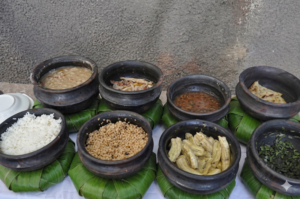
Tanzanian Traditional Foods
10. Be Humble, Be Curious, Be Open
Perhaps the most important lesson for any volunteer: Come with humility. Tanzania is not a place that needs “fixing” by outsiders; it is a place to learn, exchange, and grow alongside locals. Ask questions respectfully, listen actively to the answers, and leave your assumptions at home. Cultural understanding is a marathon, not a sprint.
The Final Word
Volunteering in Tanzania is as much about cultural immersion as it is about service. When you respect the people, embrace their way of life, and approach every moment with openness, Tanzania will welcome you in ways that are profound and unforgettable. In the end, it is not just what you give, but what you are willing to receive that defines your journey.