Medical Volunteering in Tanzania 2026: The Complete Guide for International Volunteers
Stepping out of your comfort zone and into a bustling rural clinic in East Africa isn’t just a line on your resume—it is a profoundly human experience that will change the way you view medicine, community, and yourself. Medical volunteering in Tanzania offers a rare opportunity to strip away the complex bureaucracy of modern Western healthcare and get back to the absolute core of medicine: humans helping humans.
In 2026, the need for passionate, dedicated healthcare volunteers in Tanzania remains urgent. While the country is making incredible strides in development, many underserved communities still grapple with severe resource shortages. By stepping up to volunteer, you become a vital bridge, supporting local medical staff while gaining hands-on exposure to global health systems, tropical medicine, and a beautifully vibrant culture.
Whether you are a medical student eager to learn, a seasoned nurse looking to give back, or a gap-year traveler finding your calling, this guide walks you through everything you need to know about medical volunteering in Tanzania. We’ll cover the day-to-day realities, costs, safety, and how you can ensure your impact is ethical and sustainable.

Ready to turn your medical skills into global action? Explore deeply meaningful, community-vetted volunteer opportunities with Volunteers Tanzania.
Why Tanzania Needs Healthcare Volunteers
Tanzania is famous for its warm, welcoming people (the spirit of “Karibu” is very real here). Yet, behind the beautiful smiles, the healthcare system is stretched incredibly thin. Imagine a rural dispensary tasked with serving thousands of families, staffed by only a handful of exhausted but dedicated nurses and clinical officers.
The challenges are stark:
- High patient-to-doctor ratios: Local doctors are often overwhelmed by sheer volume.
- Resource limitations: Essential equipment and medicines can be scarce, requiring medical staff to rely heavily on clinical diagnostics.
- Rural isolation: Getting specialized care to remote villages is an ongoing logistical battle.
- Public health hurdles: Preventable conditions, malaria, and maternal/child health issues still dominate the wards.
International volunteers don’t arrive to “save the day”—instead, you arrive to lend an extra set of hands. You support the local heroes who work these wards every single day, allowing them to treat more patients and run more outreach programs. Partnering with ethical organizations like Volunteers Tanzania ensures you are working *with* the community, not just *in* it.
Types of Medical Volunteer Programs Available
Healthcare in Tanzania isn’t one-size-fits-all, and neither are the volunteer programs. Depending on your current level of training and your interests, you can find a placement that perfectly matches your skills.
Hospital Placements
Ideal for medical students and licensed professionals. You’ll observe surgeries, shadow local doctors on rounds, assist in triaging patients, and experience the fast-paced environment of a regional African hospital.
Rural Clinic Support
Perfect for nursing students or those looking for deep community connection. Clinics are the frontline of healthcare. You’ll help with patient registration, basic vitals, wound care, and maternal health check-ups.
Public Health & Education
Passionate about prevention? Join outreach teams heading into villages to educate locals on hygiene, malaria prevention, HIV awareness, and proper nutrition. This is grassroots healthcare at its finest.
Medical Electives
Designed specifically for university students. Tanzania is a premier destination for formal medical electives, offering unparalleled exposure to tropical diseases and unique clinical environments.

A Day in the Life of a Medical Volunteer
Wondering what your Tuesday might look like? While every placement is different, a typical day is a beautiful mix of hard work and cultural immersion.
Your morning usually starts early with a warm cup of Tanzanian chai (spiced tea) and fresh fruit at your volunteer house. You’ll catch a local *dala-dala* (minibus) or walk to your clinic. Mornings are often the busiest—you might help triage a long line of waiting patients, shadow a doctor during consultations, or assist midwives in the maternity ward.
By early afternoon, the pace shifts. You might help update patient records, organize the pharmacy, or run a brief hygiene workshop for waiting mothers. By 3:00 PM or 4:00 PM, your shift wraps up, leaving your late afternoons free to explore the local markets, practice your Swahili, or relax with fellow international volunteers.
The Two-Way Street: What You Gain
While you are giving your time and energy, the truth is that volunteers often leave feeling like they received much more than they gave. The benefits of this experience are immense:
- Unmatched Clinical Exposure: You will see conditions and stages of diseases (like advanced malaria or tropical infections) that are rarely seen in Western textbooks.
- Adaptability and Resilience: Learning to provide care without the luxury of high-tech machinery forces you to hone your physical examination skills and clinical instincts.
- Cultural Fluency: You’ll learn how deeply culture intertwines with medicine, gaining empathy that will make you a better healthcare provider for the rest of your career.
- Lifelong Friendships: The bonds forged with local staff and your fellow international volunteers are incredibly strong.
Logistics: Accommodation, Costs, and Safety
Where Will You Live?
Community is a big part of the experience. Most volunteers stay in dedicated volunteer houses with shared bedrooms and communal living spaces, creating a built-in support system of like-minded peers. Alternatively, homestays with vetted local families offer a deep, immersive dive into Tanzanian daily life. Meals are typically provided, featuring hearty local staples like *ugali*, rice, beans, and fresh tropical fruit.
Understanding the Costs
Why do you have to pay to volunteer? It’s a common question. Your program fees do not buy you a job; they cover the very real logistical costs of keeping you safe and supported. Fees typically cover your housing, meals, 24/7 local support, airport transfers, and a direct donation to the healthcare facility you are serving. Compared to many destinations, Tanzania remains a highly affordable option for international volunteers.
Is It Safe?
Yes. Tanzania is renowned for its political stability and the peaceful nature of its citizens, making it one of the safest countries in East Africa. By following basic travel common sense—keeping valuables out of sight, using trusted transportation, drinking bottled water, and respecting local customs—you will find Tanzania to be a remarkably comfortable home away from home.
Beyond the Clinic: The Magic of Tanzania
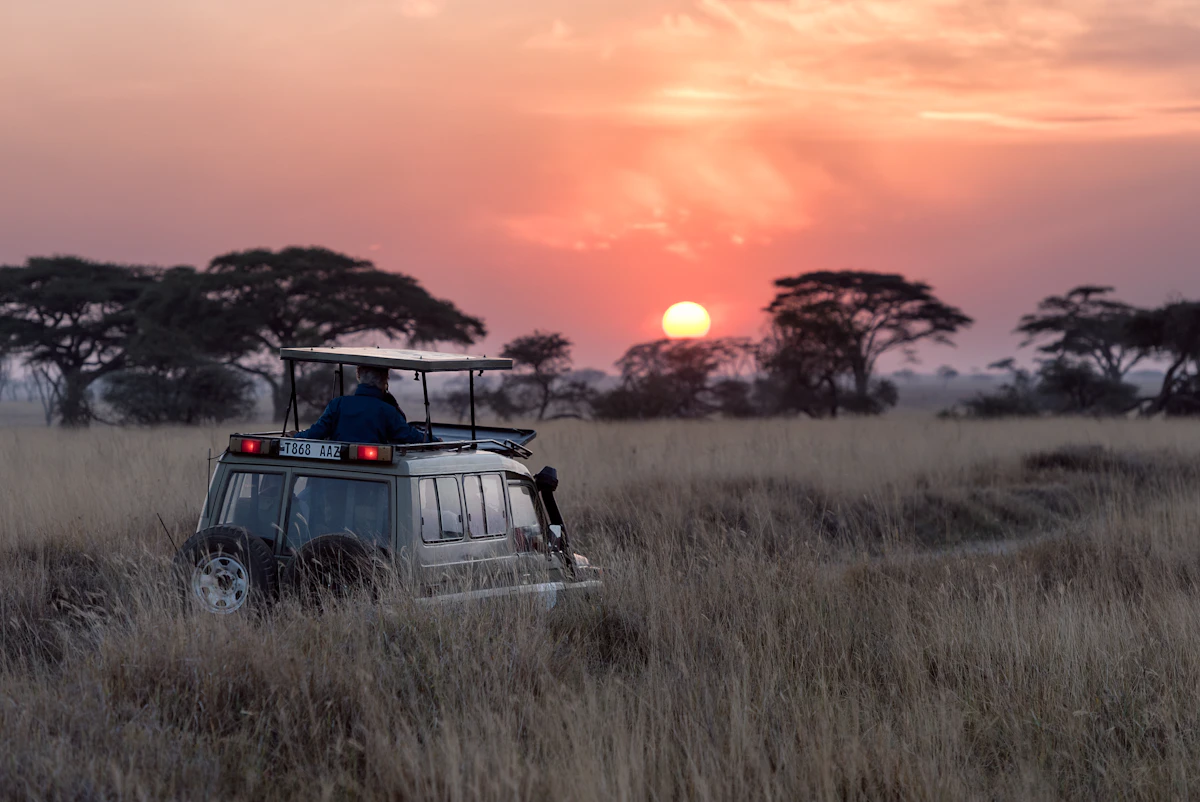
You cannot travel all the way to Tanzania without experiencing its world-famous natural wonders. Medical volunteering perfectly balances hard work with breathtaking adventure.
Since your volunteer schedule typically runs Monday through Friday, weekends are yours to explore. Many volunteers group together to book weekend safaris into the iconic Serengeti National Park or the stunning Ngorongoro Crater. For those with a bit more time after their placement, conquering the snowy peak of Mount Kilimanjaro or unwinding on the turquoise beaches of Zanzibar are the perfect rewards for weeks of hard work in the clinic.
Why Trust Volunteers Tanzania?
When dealing with healthcare, ethics matter. You want to ensure your presence is helpful, not burdensome. Volunteers Tanzania is deeply embedded in the local community. They work directly with hospital administrators and clinic heads to place volunteers exactly where their specific skills are needed most. They provide robust pre-departure training, safe accommodations, and emergency support, allowing you to focus entirely on your work and your growth.