Hidden Volunteer Destinations in Tanzania: Beyond Kilimanjaro
Let’s be honest: when you hear the words “volunteering in Tanzania,” your brain probably jumps straight to the towering, snow-capped peaks of Mount Kilimanjaro. And it makes sense! The region surrounding the “Roof of Africa” is incredibly vibrant and packed with opportunities.
But Tanzania is a massive, multi-layered country. Limiting your search to just one mountain means missing out on lush highlands, tranquil lakeshores, buzzing central cities, and remote villages. There are countless hidden volunteer destinations in Tanzania where your impact can be profoundly felt—and where the experience might just change your life.
In this guide, we’re taking you off the well-worn tourist trail. We’ll explore places where you can genuinely immerse yourself in local culture, throw your support behind grassroots initiatives, and build relationships that will stick with you long after your flight home.
Why Look Beyond Kilimanjaro?
Volunteers naturally flock to Moshi and Arusha, drawn by Kilimanjaro’s magnetic pull and the heavy concentration of established programs in teaching, healthcare, and wildlife conservation. But stepping outside that bubble offers some serious perks:
- Genuine Community Engagement: Smaller, less-touristed locations mean you aren’t just another passing face. You get to form immersive, long-lasting connections with the local residents.
- Unique Ecosystems: From ancient rainforests to vast freshwater lakes and rolling drylands, these hidden gems offer incredibly diverse ecological projects.
- Broader Impact: You’ll discover communities that are entirely off the radar of large international organizations, meaning your specific skills can make a dramatic, immediate difference.
1. Usambara Mountains: A Hidden Highland Haven
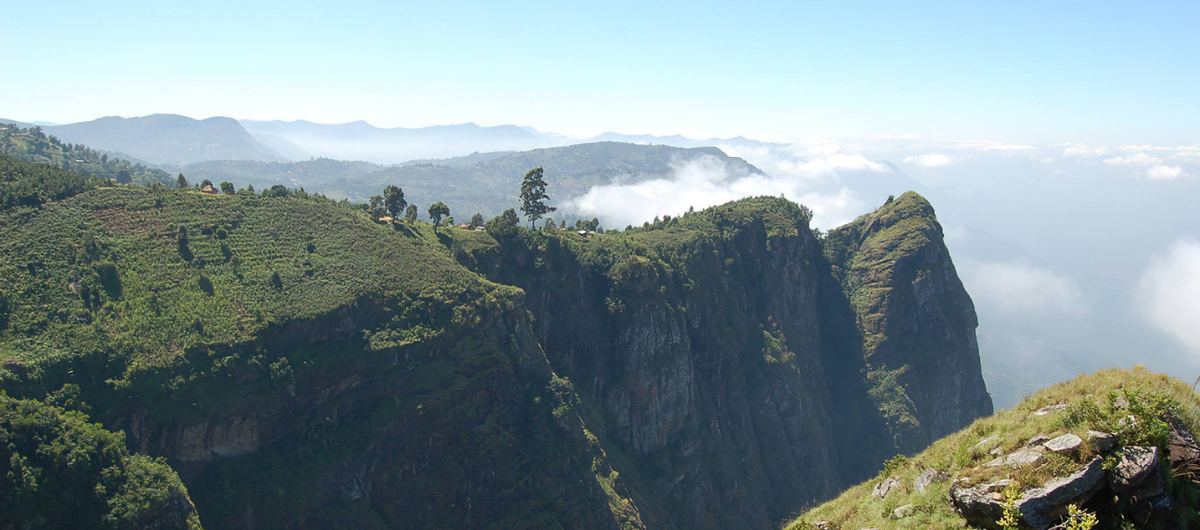
Tucked away in northeastern Tanzania, the Usambara Mountains are the country’s best-kept secret. Often dubbed “Africa’s Switzerland” thanks to their cool climate, winding dirt roads, and fiercely green valleys, this region feels like stepping into another world. The laid-back towns of Lushoto and Mtae act as gateways to an area where community-driven volunteer projects are thriving.
How You Can Help
- Education: Jump into local primary and secondary schools to teach English, science, or basic computer skills.
- Permaculture & Sustainable Farming: Get your hands dirty working alongside villagers on eco-farming initiatives designed to protect the soil and ensure food security.
- Women’s Empowerment: Lend your expertise to microfinance programs or hands-on workshops focusing on local crafts and small business entrepreneurship.
Why It’s Special: The Usambara region is famous for its warmth. You aren’t just a volunteer here; you’re a guest. Don’t be surprised if you’re frequently invited into homes for a hot cup of chai while learning firsthand about Chagga and Sambaa traditions.
2. Lake Tanganyika Basin: Waterside Wonders & Conservation
Way out on Tanzania’s western frontier lies Lake Tanganyika, the second-deepest freshwater lake on the planet. The bustling, vibrant town of Kigoma and the string of quiet fishing villages along the shore offer a totally different pace of life. If you are passionate about water conservation, community health, and sustainable living, this is your spot.
How You Can Help
- Health Education: Assist local clinics with malaria prevention campaigns, nutrition workshops, and maternal health outreach in lakeside communities.
- Environmental Conservation: Work on the water! Help monitor local fish populations, run pollution reduction campaigns, and educate locals on sustainable fishing habits.
- Youth Engagement: Lead after-school programs, organize sports tournaments, or run arts initiatives for children and teenagers.
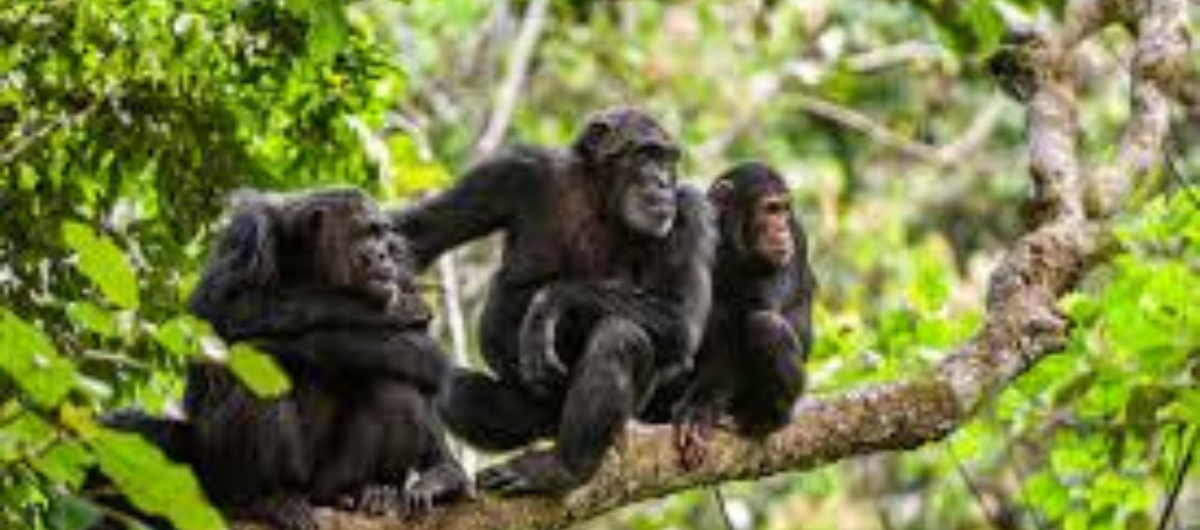
Why It’s Special: This region is a biodiversity hotspot. Chimpanzee trekking in nearby Gombe Stream National Park is a massive highlight. Volunteers quickly fall into the local rhythm—learning Swahili, sharing plates of fresh grilled fish, and commuting via wooden boats.
3. Mbeya & Southern Highlands: Agricultural Innovation
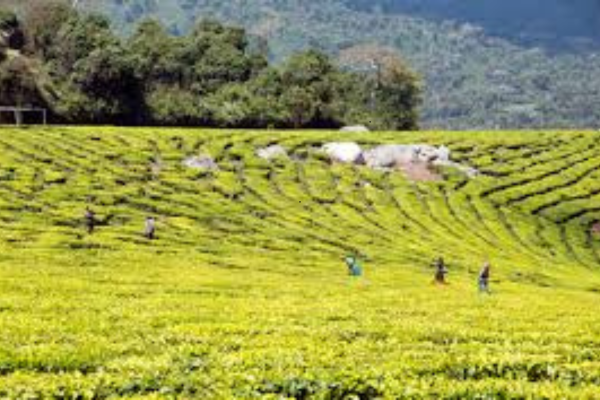
Down in the south, the city of Mbeya serves as the agricultural beating heart of Tanzania. Surrounded by dramatic rolling hills and vast, incredibly photogenic tea plantations, the Southern Highlands are fertile ground—both literally and figuratively—for projects focused on food security and rural education.
How You Can Help
- Agricultural Training: Collaborate with local farmers to implement crop rotation, better soil management, and sustainable irrigation techniques.
- Education & Literacy: Support rural schools by teaching English, helping develop community libraries, and running after-school tutoring sessions.
- Health Outreach: Shadow and assist in rural clinics, focusing on HIV/AIDS education and essential nutrition programs.
Why It’s Special: Mbeya rarely sees international tourists. Because of this, volunteers integrate incredibly deeply into daily Tanzanian life. Plus, it’s the perfect jumping-off point for exploring volcanic crater lakes, hidden waterfalls, and traditional southern villages.
4. Dodoma & Central Tanzania: Building Sustainable Communities
Wait, Dodoma is the capital of Tanzania? Yes, it is! While safari-goers generally bypass it, Dodoma sits right at the heart of the country. This intersection of urban growth and rural tradition is home to incredibly resilient grassroots organizations that are hungry for volunteer support.
How You Can Help
- Water & Sanitation Projects: Get involved in the logistics and physical labor of constructing boreholes to improve access to clean, safe drinking water.
- Women & Youth Empowerment: Facilitate workshops focusing on small-scale entrepreneurship, leadership skills, and gender equality.
- Community Health: Work alongside local medical staff to organize vaccination drives, health education seminars, and maternal care support.
Why It’s Special: Dodoma offers a completely unfiltered window into the “real” Tanzania. Volunteers here often find themselves collaborating directly with village elders, local government officials, and community leaders to solve real-world problems.
How to Prepare for an Off-the-Beaten-Path Experience
- Choose a Cause Close to Your Heart: Don’t just pick at random. Whether it’s education, conservation, or health, select a project that aligns with your actual skills.
- Research Local Partners: Dig deep to find grassroots organizations that have a proven track record of accountability and actual community impact.
- Get Ready to Adapt: Life off the tourist trail doesn’t run on a strict schedule. Embrace the unpredictability, pack your patience, and remain flexible.
- Learn Some Swahili: You don’t need to be fluent, but dropping a friendly “Jambo!” (hello) or “Asante!” (thank you) goes a massive way in building trust.
- Respect Local Customs: Dress modestly (keep shoulders and knees covered in rural areas), always ask before snapping photos, and say yes when invited to community events.
Responsible Volunteering: Tips for Ethical Impact
Going off the grid to volunteer is amazing, but it has to be done right. To ensure your presence is actually helpful, aim to support locally-led initiatives—programs that were created and are managed by Tanzanians themselves.
If your schedule allows, stay longer. A two-week stint is great, but a two-month stay allows for deeper immersion and a much greater impact for both you and the community. Above all, avoid the pitfalls of “voluntourism” by avoiding projects that seem to prioritize the tourist’s experience over the community’s actual needs. The goal is to share your skills and build capacity, not just provide free labor.
Final Thoughts
Tanzania is so much more than the mountain that made it famous. From the misty, winding trails of the Usambara Mountains to the tranquil, sunset-soaked shores of Lake Tanganyika, the country’s hidden volunteer destinations are waiting with open arms.
Here, far away from the safari trucks and the climbing crowds, you have the rare opportunity to forge deep human connections, support meaningful grassroots change, and experience the warm, beating heart of East Africa.
Ready to Make a Real Difference?
Don’t just read about Tanzania’s hidden gems—become a part of their story. Connect with our team to find the perfect volunteer placement that matches your unique skills and passions.