What Is a Gap Year?
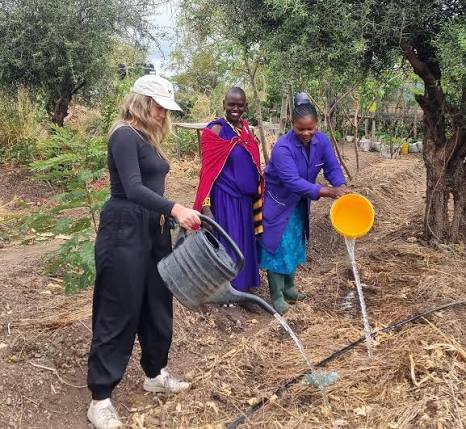
A gap year is a structured break from formal education or full-time employment, usually lasting from a few months to one year. It is an intentional period dedicated to learning, traveling, volunteering, gaining life skills, and exploring future career options. Typical activities include international volunteering, language learning, cultural immersion, wildlife conservation, community development, and traveling. A well-planned gap year helps participants become more independent, confident, and globally aware.
What Is an Internship?
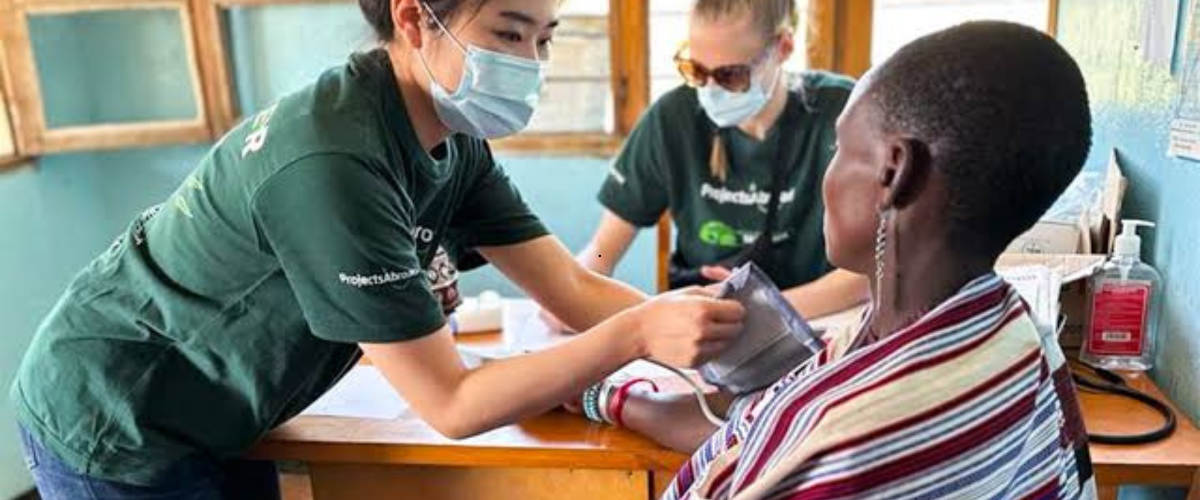
An internship is a structured work placement designed to provide practical experience in a specific career field. Internships usually involve working alongside professionals while applying classroom knowledge to real-world situations. Common internship sectors include healthcare, education, engineering, information technology, hospitality, tourism, business, marketing, environmental conservation, and social work.
Internships focus primarily on career preparation and professional development rather than travel or personal exploration. Volunteers Tanzania offers supervised internship opportunities for students and graduates across several professional fields while providing accommodation, orientation, and local support.
Quick Comparison: Gap Year vs. Internship
| Feature | Gap Year | Internship |
|---|---|---|
| Main Goal | Personal growth | Career development |
| Duration | 3–12 months | 2–24 weeks (sometimes longer) |
| Flexibility | Very high | Structured schedule |
| Travel Opportunities | Excellent | Limited unless international |
| Professional Experience | Moderate | High |
| Cultural Immersion | Very High | Medium to High |
| Skill Development | Broad life skills | Industry-specific skills |
| Resume Value | Strong when structured | Excellent for career applications |
| Networking | Global | Professional |
| Best For | Students exploring options | Students pursuing a career path |
Benefits of Taking a Gap Year
1. Discover Yourself
Many students leave school without knowing what career truly excites them. A gap year provides space to reflect, explore interests, meet diverse people, gain confidence, and build independence. These experiences often lead to better long-term career decisions.
2. Experience New Cultures
Living in another country changes your perspective in ways classrooms cannot. In Tanzania, participants experience Swahili culture, local traditions, community projects, wildlife conservation, national parks, local markets, and village life. Cultural intelligence has become one of today’s most valued workplace skills.
3. Build Soft Skills & Improve Mental Maturity
Employers increasingly value skills that cannot easily be taught in classrooms. Gap years help develop leadership, communication, problem-solving, adaptability, teamwork, time management, and cross-cultural communication. Many students return from gap years with greater motivation for university or employment because they’ve gained real-world perspective.
4. Explore Tanzania
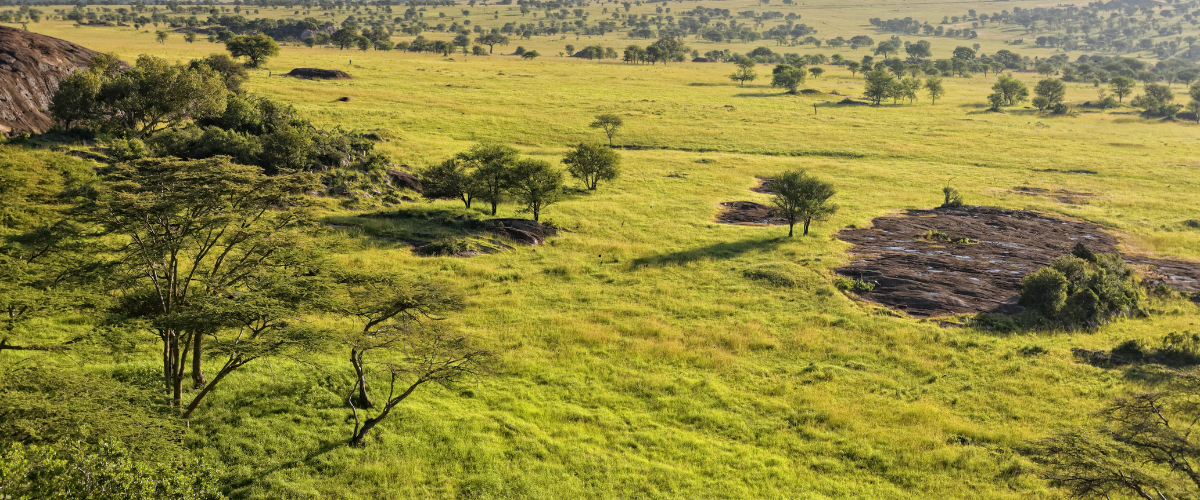
Unlike short vacations, a gap year lets you truly experience East Africa. Popular destinations include Serengeti National Park, Mount Kilimanjaro, Zanzibar, Ngorongoro Conservation Area, Tarangire National Park, and local Maasai communities.
Benefits of Doing an Internship
Gain Industry Experience
Internships allow students to understand how their chosen profession actually works. Rather than reading textbooks, participants solve real workplace challenges.
Build Your Resume
Employers often prefer candidates who already possess practical experience. Internships demonstrate commitment, professionalism, technical ability, and workplace readiness.
Develop Professional Networks
Internships connect students with supervisors, industry experts, mentors, and fellow interns. These relationships often lead to future employment opportunities.
Learn Professional Standards
Internships teach workplace communication, reporting, ethics, team collaboration, and professional responsibility. Many students discover whether they genuinely enjoy a profession before committing years to it, reducing costly career changes later.
Which Option Costs More and Which Looks Better?
Cost Comparison
Costs vary depending on location and duration. A traditional gap year involving travel generally requires a larger budget. However, structured international programs often include accommodation, meals, airport pickup, orientation, local support, and project placement. Many internship programs abroad include similar support while focusing on professional development. Volunteers Tanzania’s internship packages include accommodation, orientation, local support, and completion certificates.
Impact on Your Resume
The answer depends on how you spend your time. A well-structured gap year involving volunteering, language learning, and community work often impresses employers because it demonstrates initiative and adaptability. Likewise, a relevant internship shows direct professional experience and career commitment.
The strongest resumes often include both. Example: Medical Internship, Community Health Volunteering, Swahili Language Classes, and Safari Conservation Experience. Together, these experiences create a unique professional profile.
Who Should Choose What?
A gap year may be right if you:
- Need time before university
- Feel uncertain about your future
- Want international experience
- Love travel and cultural immersion
- Want to volunteer and give back
- Seek personal growth and confidence
An internship is ideal if you:
- Already know your career path
- Need academic credit
- Want professional references
- Need practical experience
- Are preparing for graduate school
- Want to strengthen your CV quickly
Why Not Combine Both?
Increasingly, students are choosing hybrid experiences. At Volunteers Tanzania, many participants combine both experiences—starting with an internship before extending their stay into a meaningful gap year filled with volunteering, cultural immersion, and travel throughout Tanzania.
Example Itinerary:
- Month 1: Orientation, Cultural immersion, Swahili lessons
- Months 2–3: Professional internship
- Month 4: Volunteer project
- Month 5: Safari travel, Community experiences, Weekend excursions
- Month 6: Independent travel, Reflection, Career planning
This combination delivers both professional development and life-changing experiences.
Why Tanzania Is an Excellent Choice
Tanzania offers an exceptional balance between learning, adventure, affordability, and cultural immersion. Highlights include incredible wildlife, friendly communities, affordable living, stable volunteer programs, rich cultural traditions, world-famous national parks, professional internship opportunities, and meaningful community projects.
Whether you’re interested in education, healthcare, conservation, tourism, or business, Tanzania provides practical learning opportunities alongside unforgettable travel experiences.
Frequently Asked Questions
Can I do an internship during a gap year?
Yes. Many participants complete internships as part of a broader gap year, allowing them to gain professional experience while also traveling and volunteering.
Will employers value a gap year?
Yes—provided it is purposeful and structured. Employers appreciate candidates who demonstrate initiative, resilience, and practical experience.
How long should my internship be?
Most international internships range from 2 to 12 weeks, though longer placements often provide deeper learning and greater responsibility.
Can I volunteer after my internship?
Absolutely. Many students extend their stay to volunteer, travel, or explore Tanzania after completing their professional placement.
Is Tanzania safe for international students?
Many structured programs provide airport transfers, accommodation, orientation, and ongoing local support, making them a practical option for international participants.
Ready to Take the Next Step?
There is no universal answer to whether a gap year or an internship is better—it depends on your goals. If you seek self-discovery, cultural immersion, and personal growth, a gap year may be the ideal choice. If your priority is building professional skills, strengthening your resume, and preparing for employment, an internship is likely the better fit.
Whether you’re planning a purposeful gap year, seeking an international internship, or looking to combine both experiences, Volunteers Tanzania offers ethical, locally supported programs designed for students, graduates, and young professionals.
For more information, explore our Gap Year Guide, Internship Programs, and Volunteer Programs.