When most people think of Tanzania, iconic images spring to mind: the snow-capped peak of Mount Kilimanjaro, the endless plains of the Serengeti, or the pristine beaches of Zanzibar. While these destinations have rightfully earned their place on travelers’ bucket lists, they represent only a fraction of what Tanzania has to offer volunteers seeking authentic, community-centered experiences.
The real transformation happens in places you won’t find in typical travel guides—in rural villages where children walk miles to school, in coastal communities adapting to climate change, and in small towns where local organizations are building sustainable futures. These hidden volunteer destinations in Tanzania offer something tourism hotspots cannot: the opportunity to work alongside communities addressing real challenges with innovative, locally-led solutions.
Going beyond Kilimanjaro isn’t just about geography. It’s about shifting our perspective from what we can take from Tanzania to what we can contribute when we truly listen, learn, and follow the lead of local change-makers.
Why Hidden Volunteer Destinations Create Deeper Impact
Popular tourist destinations often have saturated volunteer markets, where international volunteers cycle through projects without creating lasting change. Meanwhile, lesser-known regions in Tanzania face genuine resource gaps—not in potential or talent, but in access to funding, materials, and partnerships that enable local leaders to expand their work.
When you choose hidden volunteer opportunities in Tanzania, you’re directing your time, skills, and resources to communities that have specifically identified how international volunteers can support their existing development initiatives. These aren’t projects created for volunteers; they’re community-driven programs that have strategically incorporated volunteer support to achieve locally-defined goals.
Rural and underserved regions also offer volunteers something precious: time and space to build genuine relationships. Without the distractions of tourist infrastructure, volunteers immerse themselves in daily community life, learning Swahili around dinner tables, participating in local celebrations, and understanding the nuanced realities of development work. This depth of cultural exchange creates more meaningful personal growth and more sustainable project outcomes.
Top Hidden Volunteer Destinations in Tanzania
The Usambara Mountains: Where Education Meets Conservation
Nestled in northeastern Tanzania, the Usambara Mountains remain relatively untouched by mass tourism despite their stunning biodiversity and vibrant agricultural communities. Villages like Lushoto serve as gateways to volunteer beyond Kilimanjaro, where education and environmental conservation intersect.
Local schools in these mountain communities often lack sufficient teachers, learning materials, and infrastructure. Volunteers support education initiatives while living among farming families who have cultivated these terraced slopes for generations. The region’s unique ecosystem also creates opportunities for environmental education programs that help young people understand sustainable agriculture and forest conservation.
Tanga Region: Coastal Communities Facing Climate Reality
While Zanzibar attracts thousands of tourists, the Tanga region’s coastal communities offer authentic experiences in marine conservation and climate adaptation. Fishing villages along this coastline are experiencing firsthand the impacts of warming waters, coral bleaching, and changing fish populations.
Community development Tanzania projects in Tanga focus on sustainable livelihoods, women’s empowerment through seaweed farming cooperatives, and youth education about marine ecosystems. Volunteers work alongside local environmental organizations and community groups that have been protecting these waters long before international attention arrived.
Lake Tanganyika Basin: Remote Villages Building Futures
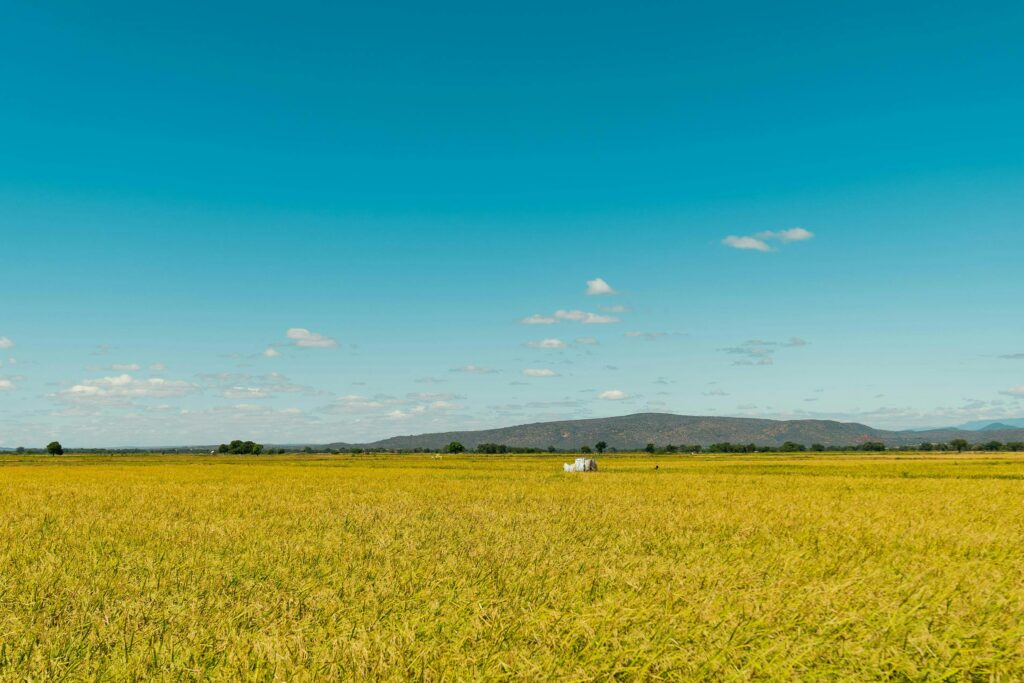
The villages surrounding Lake Tanganyika represent some of the most remote volunteer destinations in Tanzania. These communities face significant challenges accessing healthcare, education, and economic opportunities, yet they possess strong social structures and determined local leaders.
Rural volunteering Tanzania in this region often involves supporting primary healthcare initiatives, adult literacy programs, and small business development for women’s groups. The remoteness means volunteers must be flexible, resilient, and genuinely committed to following local leadership—qualities that define ethical volunteering Tanzania at its best.
Dodoma Region: Tanzania’s Growing Capital and Surrounding Villages
As Tanzania’s designated capital city, Dodoma is experiencing rapid growth, but the surrounding rural areas remain significantly underserved. Small towns and villages within a few hours of the city offer unique opportunities to support education, youth development, and infrastructure projects.
These communities are close enough to urban resources to facilitate project sustainability while maintaining authentic rural character. Volunteers here often work with community-based organizations that are scaling proven programs to reach more beneficiaries, making volunteer contributions particularly impactful.
Mbeya Region: Agricultural Communities in the Southern Highlands
The southern highlands near Mbeya offer cool climates, tea plantations, and agricultural communities rich in cultural heritage. These areas rarely see international volunteers, making partnerships especially valuable to local organizations working on food security, education, and women’s economic empowerment.
Volunteer projects in Mbeya region often integrate multiple focus areas—teaching entrepreneurship to women’s farming cooperatives, supporting schools in agricultural villages, or working with youth groups on environmental conservation and sustainable farming techniques.
Types of Volunteer Projects in These Hidden Regions
Education: Building Foundations for Future Generations
Education projects in hidden volunteer destinations in Tanzania go beyond traditional classroom teaching. Volunteers support:
- Early childhood education programs that introduce English and numeracy skills through play-based learning
- Secondary school students preparing for national exams in mathematics, sciences, and English
- Teacher training workshops that share pedagogical techniques and classroom management strategies
- Library and resource development to ensure learning materials remain long after volunteers depart
- After-school programs focused on critical thinking, leadership, and life skills
The most effective education initiatives prioritize supporting local teachers rather than replacing them, ensuring sustainability and respecting professional expertise within communities.
Healthcare: Expanding Access in Underserved Areas
Healthcare volunteers in rural Tanzania typically work alongside community health workers and local clinics to:
- Conduct health education workshops on nutrition, maternal health, and disease prevention
- Support mobile medical clinics reaching remote villages
- Develop health resource materials in Swahili for community health workers
- Assist with data collection and patient record systems that improve care continuity
- Facilitate partnerships between rural clinics and regional hospitals
Medical volunteers must work within their scope of practice and Tanzanian healthcare regulations, always positioning themselves as supporters of existing healthcare infrastructure rather than independent operators.
Women Empowerment: Supporting Local Female Leaders
Women’s empowerment projects recognize that gender equality drives community development. Hidden volunteer opportunities Tanzania often include:
- Business skills training for women’s savings groups and cooperatives
- Supporting women-led social enterprises in agriculture, crafts, and services
- Facilitating mentorship programs connecting young women with female role models
- Providing resources for women’s literacy and adult education programs
- Collaborating with women’s organizations on advocacy and rights awareness
These projects succeed when volunteers recognize the strength, wisdom, and leadership already present in women’s groups, offering specific skills or resources that women themselves have identified as needed.
Environmental Conservation: Protecting Tanzania’s Natural Heritage
Beyond the famous national parks, Tanzania’s hidden regions face environmental challenges requiring community-based solutions:
- Reforestation projects led by village environmental committees
- Sustainable agriculture training that improves food security while protecting ecosystems
- Marine conservation education in coastal communities
- Clean water initiatives combining infrastructure with environmental education
- Wildlife conservation projects that benefit local communities economically
Environmental volunteering works best when ecological conservation directly connects to community livelihoods, ensuring local buy-in and long-term sustainability.
Youth and Community Development: Investing in Tomorrow’s Leaders
Youth programs in underserved regions focus on building skills, confidence, and opportunities:
- Sports programs that teach teamwork, leadership, and healthy living
- Arts and music initiatives that preserve cultural heritage while developing creativity
- Technology and computer skills training preparing youth for evolving job markets
- Leadership development programs empowering young people as community change agents
- Vocational training connecting youth with practical skills and employment pathways
The most transformative youth projects are those designed by young people themselves, with volunteers serving as facilitators and resource providers.
Cultural Exchange and Community-Led Impact
True cultural exchange happens in the quiet moments: learning to cook ugali over a charcoal stove, practicing Swahili tongue-twisters with children who patiently correct your pronunciation, or sitting with elders who share stories about their village’s history. These experiences transform volunteers’ understanding of development, community, and their own place in the world.
Hidden volunteer destinations in Tanzania offer particularly rich cultural immersion because communities are eager to share their traditions, languages, and worldviews with respectful visitors. Volunteers often live with host families, participate in community celebrations, and experience daily life in ways impossible in tourist areas.
This cultural exchange must flow in both directions. Communities gain exposure to different perspectives, international connections, and sometimes specific skills or knowledge volunteers bring. Volunteers gain humility, expanded worldviews, and understanding that challenges their assumptions about development, poverty, and happiness.
The most powerful aspect of volunteer beyond Kilimanjaro experiences is witnessing community-led impact firsthand. Local organizations in hidden regions are solving complex problems with creativity, determination, and intimate knowledge of their communities. Volunteers don’t bring solutions—they bring support for solutions already in motion.
Ethical Volunteering: What Responsible Volunteering Looks Like
As the volunteer tourism industry has grown, so has awareness of potential harm. Ethical volunteering Tanzania requires constant reflection and commitment to principles that put community needs first.
Follow Local Leadership
Responsible volunteering means recognizing that community members are experts on their own lives and communities. Volunteers should:
- Accept that local organizations set project priorities, timelines, and approaches
- Resist the urge to “improve” systems without understanding their context and purpose
- Acknowledge that different doesn’t mean wrong—many Western approaches don’t work in Tanzanian contexts
- Celebrate local knowledge, traditional practices, and community wisdom
Commit Adequate Time
Short-term volunteering (less than four weeks) has limited impact and can sometimes harm continuity of programs. Consider:
- Longer placements that allow relationship-building and meaningful contribution
- Projects specifically designed to incorporate short-term volunteers appropriately
- Being honest about time constraints when selecting volunteer opportunities
- Understanding that orientation and cultural adjustment require significant time
Bring Appropriate Skills
The most helpful volunteers are those whose skills match community-identified needs:
- Be realistic about what you can actually contribute
- Focus on knowledge transfer and capacity building, not doing tasks locals could do
- Recognize that enthusiasm doesn’t compensate for lack of relevant skills
- Consider how your professional background applies to development contexts
Avoid the Savior Narrative
Ethical volunteers reject narratives that position themselves as rescuers:
- Use language that emphasizes partnership, learning, and mutual benefit
- Share stories that highlight community strength and local leadership
- Acknowledge what you’ve learned from the community, not just what you’ve given
- Recognize that communities thrived before your arrival and will after your departure
Prioritize Sustainability
Every volunteer activity should contribute to long-term sustainability:
- Support projects with clear local ownership and funding plans beyond volunteer contributions
- Focus on capacity building that continues after you leave
- Avoid creating dependency on international volunteers
- Consider how your volunteer fees support operational sustainability
Why Volunteer Tanzania Works in These Hidden Destinations
Organizations that connect volunteers with hidden destinations do more than logistics—they build genuine partnerships rooted in community needs and ethical practices.
Effective volunteer organizations in Tanzania maintain long-term relationships with local partner organizations, ensuring projects respond to genuine community priorities rather than volunteer preferences. They invest in community development year-round, not just when volunteers are present, demonstrating commitment beyond volunteer placement fees.
The best volunteer programs conduct thorough volunteer preparation, including cultural orientation, language basics, realistic expectation-setting, and ongoing support throughout placements. They also maintain small volunteer numbers in each location, preventing volunteer oversaturation that can overwhelm communities or create dependency.
Organizations working in hidden volunteer destinations in Tanzania typically prioritize community development Tanzania over volunteer satisfaction—though ethical volunteering usually produces both. They’re willing to say no to volunteer applicants whose skills, timeline, or expectations don’t match community needs.
How Volunteers Can Prepare for Off-the-Beaten-Path Experiences
Volunteering in rural volunteering Tanzania locations requires different preparation than tourist destinations:
Learn Swahili Basics
Even basic Swahili proficiency dramatically improves your volunteer experience and demonstrates respect for Tanzanian culture. Focus on greetings, common phrases, and terminology relevant to your project area. Language learning continues throughout your placement—embrace mistakes as part of the process.
Adjust Expectations About Amenities
Hidden destinations often lack reliable electricity, running water, internet connectivity, and familiar foods. Mental preparation for these realities prevents frustration and allows you to focus on your purpose for volunteering.
Develop Cultural Humility
Research Tanzanian history, current events, and cultural practices, but arrive ready to learn rather than assuming you understand. Questions are welcome; judgments are not. Prepare to have your assumptions challenged and your perspectives expanded.
Prepare Physically and Mentally
Remote locations may require significant physical activity—walking long distances, carrying water, adapting to heat or cold. Mental preparation is equally important: flexibility, patience, and humor become essential qualities when plans change, communication breaks down, or nothing goes as expected.
Organize Practical Matters
Ensure you have:
- Appropriate vaccinations and antimalarial medication
- Comprehensive travel insurance covering medical evacuation
- Copies of important documents stored electronically
- Modest, culturally appropriate clothing suitable for your placement
- Any specific items your volunteer organization recommends
Embark on Your Journey Beyond the Ordinary
Tanzania’s hidden volunteer destinations offer something increasingly rare in our connected world: the opportunity to step fully into a different reality, to contribute meaningfully to community-driven change, and to return home transformed by relationships and experiences that defy easy Instagram captions.
These regions don’t offer the comfort of tourist infrastructure or the convenience of well-trodden paths. They offer something more valuable: authenticity, depth, and the profound satisfaction of supporting communities on their own terms, not yours.
The question isn’t whether these hidden communities have something to teach you—they absolutely do. The question is whether you’re ready to learn, to follow local leadership, to embrace discomfort, and to measure success not by what you’ve done for Tanzania, but by what Tanzania has helped you become.
Ready to volunteer beyond Kilimanjaro? Connect with Volunteer Tanzania to explore ethical volunteering opportunities in rural communities, coastal villages, and hidden regions where your skills genuinely match community-identified needs. Join volunteers who are choosing impact over Instagram, sustainability over saviorism, and partnership over pity.
Discover hidden volunteer opportunities Tanzania that will challenge your assumptions, expand your perspective, and connect you with communities building remarkable futures. Your transformative journey begins not on Kilimanjaro’s slopes, but in the villages, towns, and regions that need your support, respect, and partnership.
Contact Volunteer Tanzania today to start your ethical volunteering journey in the destinations that matter most.