Tanzania stands as one of Africa’s most rewarding destinations for international volunteers seeking meaningful experiences that combine cultural immersion with genuine community impact. Located in East Africa and bordered by eight countries, Tanzania offers volunteers an extraordinary opportunity to contribute to sustainable development while exploring iconic landmarks such as Mount Kilimanjaro, the Serengeti National Park, Lake Victoria, and the enchanting island of Zanzibar. As we enter 2026, the demand for skilled volunteers continues to grow, particularly in education, healthcare, tourism development, and community empowerment initiatives.
Whether you’re a student planning a gap year, a professional seeking to give back, or a retiree looking for purposeful travel, volunteering in Tanzania provides life-changing experiences that benefit both local communities and volunteers themselves. This comprehensive guide covers everything you need to know about volunteer opportunities in Tanzania for 2026, including program options, costs, application procedures, and practical preparation tips.
Understanding Volunteer Opportunities in Tanzania
Types of Volunteer Programs Available
Teaching and Education Programs
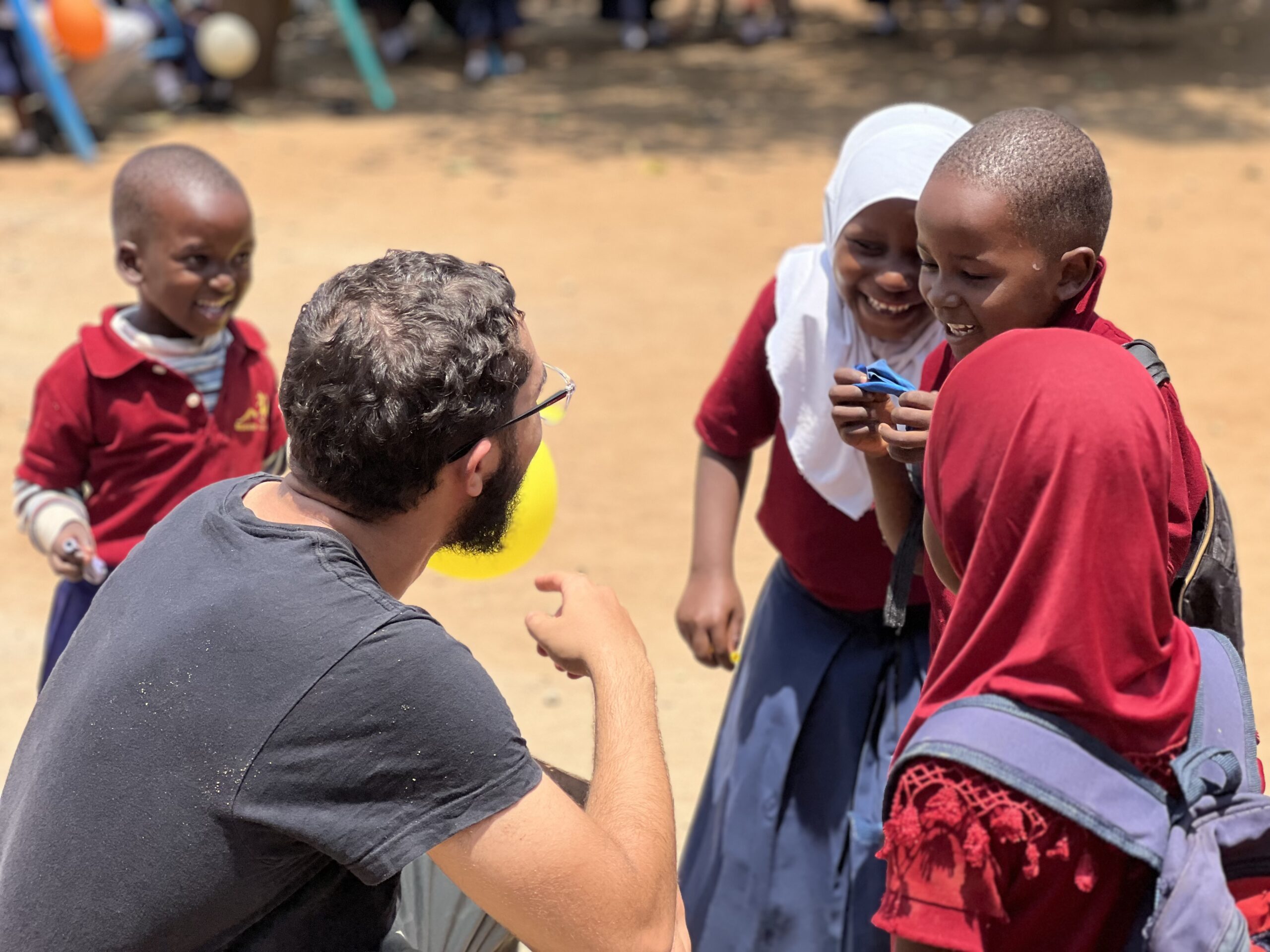
Teaching English and other subjects in Tanzanian schools remains one of the most popular volunteer opportunities in Tanzania. Organizations like Moshi Kids Center work with volunteers to provide quality education to underprivileged children in the Kilimanjaro region. Volunteers typically assist with English language instruction, mathematics, arts and crafts, and sports activities. These programs usually run for one to twelve weeks, with flexible start dates throughout the year.
The teaching volunteer experience goes beyond traditional classroom instruction. Volunteers often develop creative lesson plans, organize educational games, and participate in after-school tutoring programs. The impact extends to improving students’ confidence in English communication, which opens doors to better employment opportunities in Tanzania’s growing tourism and hospitality sectors.
Medical and Healthcare Volunteering
Medical volunteer programs in Tanzania offer students and healthcare professionals invaluable hands-on experience in resource-limited settings. Volunteers work alongside local doctors, nurses, and healthcare workers in clinics, hospitals, and community health centers. These placements typically require a minimum commitment of four weeks and are ideal for medical students, nursing students, pre-med students, and qualified healthcare professionals.
Healthcare volunteers assist with patient care, health education campaigns, maternal and child health programs, and HIV/AIDS awareness initiatives. The experience provides deep insights into tropical medicine, public health challenges, and healthcare delivery in developing countries. Working with institutions like the Kilimanjaro Christian Medical Centre offers exposure to a wide range of medical conditions rarely seen in Western healthcare settings.
Community Development and Women’s Empowerment
Zara Charity Tanzania leads innovative community development programs focused on women’s empowerment, vocational training, and sustainable livelihoods. Volunteers in these programs support income-generating activities, teach business skills, assist with microfinance initiatives, and help women overcome social and economic barriers.
Community development volunteers work directly with local NGOs to implement projects addressing food security, water access, environmental conservation, and poverty alleviation. These programs emphasize sustainable development approaches that create lasting change rather than temporary solutions. Volunteers with backgrounds in social work, community development, agriculture, or environmental science find these placements particularly rewarding.
Business and Professional Skills Development
Tanzania’s small and medium enterprises in the hospitality and tourism sectors desperately need skilled volunteers who can transfer knowledge in areas such as digital marketing, graphic design, accounting, hotel management, and information technology. Volunteers in these programs work directly with hotels, tour companies, and tourism businesses to improve their operations, marketing strategies, and customer service standards.
Professional volunteers typically commit to two to twelve weeks and receive a weekly stipend of approximately $200 to help offset living costs. These placements suit recent graduates, mid-career professionals on sabbatical, or retirees with valuable industry experience to share. The knowledge transfer creates sustainable improvements that help Tanzanian businesses compete more effectively in the global tourism market.
Volunteer in Tanzania: Program Costs and What’s Included
Transparent Pricing for 2026
Understanding the costs associated with volunteering in Tanzania helps you budget appropriately and avoid unexpected expenses. Volunteer programs in Tanzania are significantly more affordable than similar programs in other African countries or Asia, making Tanzania an accessible destination for volunteers on various budgets.
Teaching Programs: Starting at $430 for two weeks (accommodation only, meals not included)
Community Development Programs: Starting at $380 for two weeks (accommodation only, meals not included)
Medical Volunteering Programs: Starting at $630 for four weeks (accommodation only, meals not included)
Professional Skills Programs: $200 per week stipend provided to volunteers (typically covers accommodation and some living expenses)
These costs typically cover volunteer house accommodation, airport pickup, local orientation, program coordination, 24/7 in-country support, and placement supervision. Most programs do not include meals, international flights, travel insurance, visa fees, or personal expenses, so volunteers should budget an additional $300-500 per month for food and incidental costs.
What Makes These Programs Affordable?
Volunteer programs in Tanzania maintain lower costs because they work directly with local communities and grassroots organizations rather than through expensive international intermediaries. Organizations like Volunteers Tanzania operate on sustainable models that reinvest program fees directly into community projects and volunteer support services.
The affordable pricing structure ensures that volunteering remains accessible to young people, students, and first-time volunteers while still providing safe, well-organized, and impactful experiences. Transparency in pricing helps volunteers understand exactly where their money goes and how it supports both their experience and the communities they serve.
How to Apply: Step-by-Step Application Process
Getting Started With Your Application
The application process for volunteer programs in Tanzania is straightforward but requires advance planning. Most organizations recommend applying at least two to three months before your intended start date, though some programs accept applications with shorter notice depending on availability.
Step 1: Research and Choose Your Program
Visit the Volunteers Tanzania internship page to explore available programs in detail. Consider your skills, interests, available time, and budget when selecting the most suitable program. Read volunteer testimonials and program descriptions carefully to ensure the placement aligns with your goals and expectations.
Step 2: Submit Your Online Application
Complete the online application form with accurate information about your background, qualifications, availability, and program preferences. Include a current CV or resume highlighting relevant skills and experience. Many programs require a motivation letter explaining why you want to volunteer in Tanzania and what you hope to contribute and learn.
Step 3: Application Review and Interview
Program coordinators review your application and typically schedule a phone or video interview to discuss your expectations, answer questions, and assess your suitability for the chosen program. This conversation ensures mutual understanding and helps match you with the most appropriate placement.
Step 4: Confirmation and Pre-Departure Preparation
Once accepted, you’ll receive a placement confirmation letter, detailed pre-departure information packet, and packing list. Begin preparing for your trip by securing necessary travel documents, booking flights, obtaining travel insurance, and completing any required health preparations.
Essential Requirements for Volunteers
Most volunteer programs in Tanzania require participants to be at least 18 years old, though some programs accept 16-17 year olds with parental consent. Volunteers should be in good physical and mental health, have adequate travel insurance, and possess genuine motivation to contribute positively to communities.
Teaching programs may require proof of education (high school diploma or higher), while medical programs require enrollment in medical school or professional healthcare qualifications. Professional skills programs look for relevant work experience and demonstrated expertise in the specific field.
Preparing for Your Volunteer Experience in Tanzania
Visa and Travel Documentation
International volunteers need a tourist visa to enter Tanzania, which can be obtained on arrival at Kilimanjaro International Airport or Julius Nyerere International Airport for $50-100 depending on nationality. Some volunteers prefer applying for an e-visa online before departure for added convenience. Your passport must be valid for at least six months beyond your intended departure date from Tanzania.
Keep copies of all important documents including your passport, visa, travel insurance policy, vaccination records, and emergency contacts. Store digital copies securely in cloud storage accessible from anywhere.
Health and Safety Preparations
Consult a travel medicine clinic at least six to eight weeks before departure to discuss recommended vaccinations and antimalarial medication. Common vaccinations for Tanzania include yellow fever (required), typhoid, hepatitis A and B, tetanus, and rabies (for some placements). Antimalarial prophylaxis is strongly recommended for all travelers to Tanzania.
Pack a comprehensive first-aid kit including basic medications, rehydration salts, bandages, antiseptic, and any prescription medications you require. Purchase comprehensive travel insurance that covers medical emergencies, evacuation, trip cancellation, and personal liability.
What to Pack for Your Volunteer Placement
Tanzania’s climate varies by region and season, but the Kilimanjaro area where most volunteer placements occur has a pleasant tropical highland climate. Pack lightweight, modest clothing suitable for community work, comfortable walking shoes, sun protection, insect repellent, and a light rain jacket. Women should pack modest clothing that covers shoulders and knees out of respect for local customs.
Essential items include a headlamp or flashlight (power outages occur), universal power adapter, reusable water bottle, toiletries, and any specific items required for your volunteer role. Don’t overpack—basic necessities are available in local markets and shops.
Learning About Tanzanian Culture
Familiarize yourself with Tanzanian culture, customs, and basic Swahili phrases before arrival. Tanzanians are known for their warmth and hospitality, but understanding cultural norms around greetings, meal sharing, dress codes, and social interactions will enrich your experience and demonstrate respect for your host community.
Key cultural concepts include “pole pole” (slowly slowly—the Tanzanian approach to time and work), “hakuna matata” (no worries), and the importance of greetings in social interactions. Learning basic Swahili phrases like “jambo” (hello), “asante” (thank you), and “karibu” (welcome) goes a long way in building relationships.
Making the Most of Your Volunteer Experience
Integration and Community Relationships
Successful volunteers approach their placements with humility, flexibility, and genuine interest in learning from host communities. Take time to build relationships with local staff, fellow volunteers, and community members. Participate in local activities, share meals, attend social gatherings, and show interest in daily life beyond your formal volunteer responsibilities.
Remember that you’re entering communities with their own knowledge, systems, and ways of doing things. Your role is to support and complement existing efforts rather than impose outside solutions. Listen actively, ask questions, and collaborate with local partners to understand community needs and appropriate interventions.
Balancing Work and Exploration
Tanzania offers incredible opportunities for weekend exploration and travel during your volunteer placement. Visit the stunning landscapes around sustainable development projects that showcase Tanzania’s commitment to environmental conservation. Take weekend trips to Serengeti National Park, Ngorongoro Crater, or the beaches of Zanzibar.
Many volunteers extend their stay after completing their placement to climb Mount Kilimanjaro, go on safari, or explore more of East Africa. Plan these adventures in advance and coordinate with program coordinators to ensure they don’t conflict with your volunteer commitments.
Long-Term Impact and Staying Connected
Sustainable Volunteering Practices
The most effective volunteer programs focus on sustainable impact rather than short-term fixes. Before leaving Tanzania, discuss with your placement organization how your work will continue after your departure. Help train local staff, document procedures, and create resources that remain useful long after you’ve returned home.
Consider ways to continue supporting your placement organization from abroad through fundraising, awareness-raising, remote mentoring, or return visits. Many volunteers maintain lifelong connections with the communities where they served and continue contributing to their development.
Career Benefits and Personal Growth
Volunteering in Tanzania provides valuable experience that enhances resumes, graduate school applications, and career development. Healthcare volunteers gain clinical exposure, teachers develop classroom management skills, business volunteers build international experience, and all volunteers develop cross-cultural competence highly valued by employers.
Beyond professional benefits, volunteers consistently report profound personal growth including increased confidence, expanded worldviews, enhanced problem-solving abilities, and deeper appreciation for global interconnection. These transformations often influence career choices, lifestyle decisions, and lifelong commitments to social justice.
Frequently Asked Questions
Is it safe to volunteer in Tanzania?
Tanzania is one of Africa’s most stable and safe countries for international volunteers. Organizations provide comprehensive safety orientations, 24/7 emergency support, and secure accommodation. Following common-sense precautions and program guidelines ensures a safe experience.
Do I need to speak Swahili?
No, English is widely spoken in Tanzania, especially in tourist areas and educational institutions. However, learning basic Swahili phrases enriches your experience and helps build relationships with community members.
Can I volunteer if I have no experience?
Yes, many programs welcome volunteers with enthusiasm and willingness to learn over specific experience. Teaching programs accept volunteers without teaching backgrounds, and community development programs provide orientation and training.
What’s the best time of year to volunteer in Tanzania?
Tanzania welcomes volunteers year-round, though the dry seasons (June-October and January-February) offer the most pleasant weather. Schools operate on a calendar similar to Western countries with breaks in April, August, and December.
Start Your Journey: Apply Today
Volunteering in Tanzania in 2026 offers an unparalleled opportunity to contribute to meaningful development work while experiencing one of Africa’s most beautiful and welcoming countries. Whether you choose teaching at Moshi Kids Center, community development with Zara Charity, medical volunteering, or professional skills transfer, your contribution will create lasting impact.
The combination of affordable program costs, flexible durations, comprehensive support, and incredible cultural experiences makes Tanzania the ideal destination for first-time and experienced volunteers alike. Don’t let another year pass without taking the leap into transformative international service.
Visit the Volunteers Tanzania website today to explore detailed program information and begin your application. Your adventure in Tanzania awaits, and communities across the country are ready to welcome you with open arms.
For more information about specific volunteer opportunities, costs, and application procedures, explore our comprehensive guides:
- Ultimate Guide to Volunteering in Tanzania 2025-2026
- Local Volunteer Opportunities Near Me in Tanzania
- New Year, New Purpose: Start 2026 with a Volunteer Adventure
Ready to make 2026 your year of impact? Apply now and join hundreds of volunteers who have discovered the transformative power of service in Tanzania.