Gap Year Cost Breakdown: Budget-Friendly Options (From $300/Week)
Taking a gap year does not mean spending tens of thousands of dollars. Discover the real cost of taking a gap year in Tanzania, with affordable volunteering, internships, and budgeting strategies from $300/week.
How Much Does a Gap Year in Tanzania Cost?
Taking a gap year does not necessarily mean spending tens of thousands of dollars travelling around the world. For students, recent graduates, and young professionals seeking a meaningful pause in their studies or careers, a gap year should be financially accessible without sacrificing the quality of the experience.
If you are looking for cheap gap year destinations that offer an extraordinary mix of wildlife, community experiences, and personal development, Tanzania is a top contender. A gap year in Tanzania allows you to combine professional internships, community-focused volunteering, cultural immersion, and world-class adventure.

A gap year in Tanzania can combine volunteering, cultural immersion and adventure.
One of the most common questions prospective travellers ask is: “How much does a gap year cost?” While some high-end volunteer packages charge astronomical fees, affordable, budget-friendly programme options can start around the $300-per-week range. However, it is crucial to understand what this figure includes, what it excludes, and exactly how much you should budget for additional expenses like flights, visas, and safaris.
To help you visualise your gap year budget, here are three illustrative budget levels for a one-month stay:
- Budget Gap Year: Focuses on affordable accommodation, local food, public transport (like dala-dalas), and limited paid excursions.
- Balanced Gap Year: Includes comfortable accommodation, occasional restaurant meals, regular local activities, and a short, budget-friendly safari or weekend trip.
- Adventure Gap Year: Includes major bucket-list experiences like a multi-day Serengeti safari, a trip to Zanzibar, or climbing Mount Kilimanjaro.
Note: Programme fees vary depending on the specific project, duration, and inclusions. The figures in this guide serve as planning estimates rather than guaranteed prices.
The $300-a-Week Starting Point — What Does It Mean?
If you are looking for an affordable gap year, you will likely see starting rates around $300 per week. It is important to clarify that this $300/week represents a budget-friendly programme-cost starting point, not the total cost of living, flights, or insurance in Tanzania.
For example, Volunteers Tanzania offers highly affordable options for a budget gap year, particularly in teaching and community development programmes. However, specialised or professional internships may have different weekly costs and inclusions.
Whenever you evaluate Tanzania gap year programs, always check what is included:
- Accommodation & housing arrangements
- Daily meals provided by the programme
- Airport pickup upon arrival
- Local transport to and from the project
- In-country orientation and staff support
- Excursions and insurance cover
- Visa or work permit guidance
Gap Year Programme Fees
When you pay a fee for gap year volunteering Tanzania, you are paying for the operational infrastructure that keeps you safe, supported, and effectively contributing to a local community initiative.
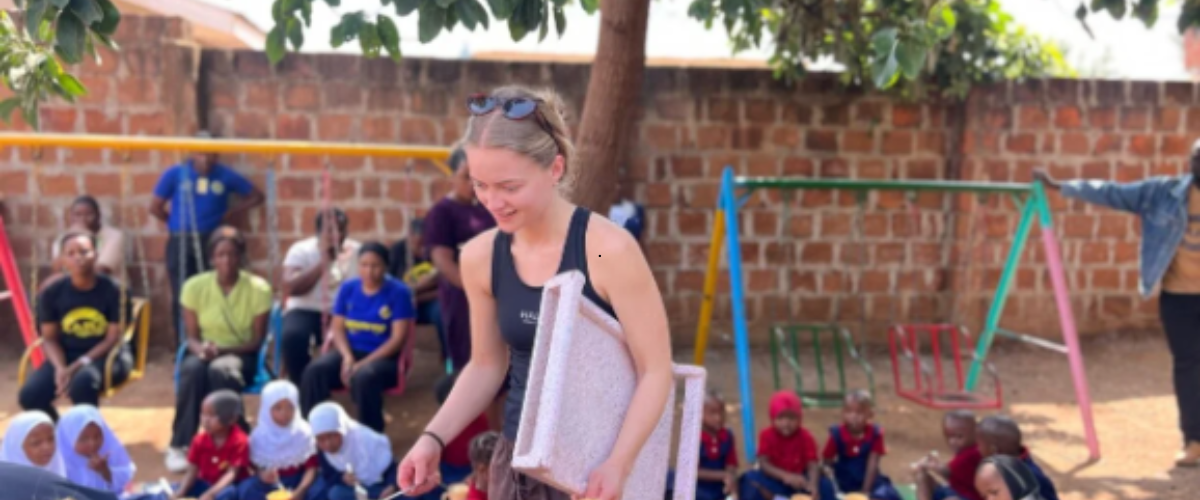
Engaging in community-driven projects provides deep cultural immersion and meaningful connections.
What is usually included:
- Shared volunteer accommodation or local homestays.
- Airport pickup upon your arrival in Tanzania.
- In-country orientation and project placement setup.
- Local coordination and 24/7 volunteer support services.
- Cultural activities or basic Swahili language lessons.
What is usually excluded:
- International flights and travel insurance.
- Visa and immigration entry fees.
- Personal spending money and weekend travel.
- Major tourism excursions (Serengeti Safaris, Zanzibar trips, Kilimanjaro climbs).
- Certain meals (depending on the housing setup).
To ensure you get the best overall value, compare providers based on their full inclusions rather than just the lowest advertised price. If you want to explore specific projects, explore affordable volunteer programmes in Tanzania to find the right fit for your skills.
Accommodation Costs
Accommodation significantly influences your Tanzania volunteer costs. Fortunately, most structured gap year programmes include housing directly in their fees.
- Volunteer Accommodation: Many organisations run dedicated volunteer houses. These shared spaces offer a great way to meet other international travellers and keep overall costs low.
- Homestays: Staying with a local family is one of the best ways to achieve the genuine cultural immersion Tanzania is famous for. Homestays often include home-cooked meals, reducing your food budget.
- Budget Hostels: If you plan to do independent budget travel Tanzania before or after your programme, hostels in cities like Arusha or Dar es Salaam are highly affordable.
- Private Accommodation: Opting for private hotel rooms or apartments will quickly increase your gap year expenses.
Money-saving tip: Staying longer (e.g., 8–12 weeks) often results in a lower average weekly programme cost, making your overall stay far more budget-friendly.
Food and Daily Living Costs
Eating in Tanzania can be exceptionally cheap if you eat locally, or quite expensive if you frequent Western-style tourist restaurants.
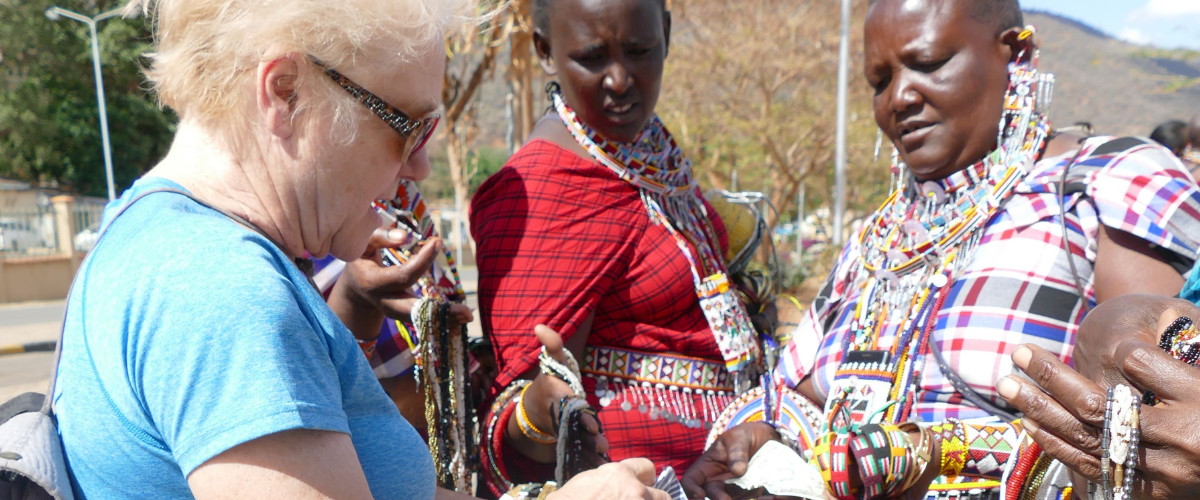
Eating local food and shopping at community markets is a great way to keep your daily living costs low.
- Local Tanzanian Meals & Street Food: Eating at local canteens or street stalls is very cheap. You can enjoy generous portions of staple foods like ugali (maize porridge), rice, beans, chapati (flatbread), pilau (spiced rice), roasted bananas, and fresh fruit for just a few dollars a day.
- Cafés & Western Restaurants: Dining at tourist-oriented restaurants for burgers, pizzas, or imported coffee will cost significantly more, often matching Western prices.
- Supermarkets & Self-Catering: Buying imported goods from supermarkets is expensive. For budget-friendly self-catering, stick to local outdoor markets for fresh, seasonal produce.
Flights to Tanzania
International flights are typically one of the largest upfront expenses for a student gap year. The main gateways for international travellers arriving in Tanzania are Dar es Salaam (DAR), Kilimanjaro (JRO), and Zanzibar (ZNZ).
Flight prices fluctuate based on your country of departure, the season, the airline, and how early you book.
Practical money-saving tips for flights:
- Book as early as possible (3–6 months in advance).
- Compare multiple departure and return dates using flight aggregators.
- Travel outside of peak holiday periods (such as July, August, or late December).
- Consider flexible departure airports or one-stop routes rather than direct flights.
Visa, Insurance and Other Essential Costs
You must budget for legal entry and travel-related expenses separately from your programme fees.
- Visa: You must verify the correct visa category for your specific purpose before travelling. The official Tanzania Immigration guidance states that an ordinary single-entry tourist visa is generally $50, while a multiple-entry visa is $100. Importantly, the ordinary tourist visa does not automatically permit work, volunteering, or business activities. Always confirm the appropriate immigration requirements with your programme provider and apply through the official Tanzania Immigration Services portal.
- Travel Insurance: Comprehensive travel insurance is mandatory. It should cover medical emergencies, baggage loss, and trip cancellations. If you plan to visit remote national parks, ensure your policy covers emergency medical evacuation.
- Health Preparation: Before embarking on your affordable Africa travel, consult a qualified travel-health professional regarding necessary vaccinations (such as Yellow Fever) and malaria prophylaxis. For official health guidance, refer to the CDC Travel Health Guidelines for Tanzania.
Local Transport Options
Getting around locally is highly affordable if you use the transport methods favoured by Tanzanians:
- Dala-dala: These local minibuses are the cheapest way to travel across town. They follow fixed routes and cost only a few cents per ride.
- Bajaj: Three-wheeled auto-rickshaws (tuk-tuks) are cheap, convenient for short trips, and allow you to negotiate the fare before setting off.
- Taxi & Ride-Hailing: Standard taxis are more expensive. In major cities, ride-hailing apps provide safe, transparently priced alternatives.
- Local Buses: For long-distance travel between cities, long-distance coach buses are economical and offer varying levels of comfort.
A budget traveller relying on dala-dalas and walking will spend a small fraction of what a comfortable traveller spends taking daily private taxis.
Weekend Adventures — Where the Budget Can Disappear
The biggest temptation during a gap year Africa experience is spending every weekend exploring. While Tanzania’s attractions are world-class, major tourist excursions require extra budgeting.
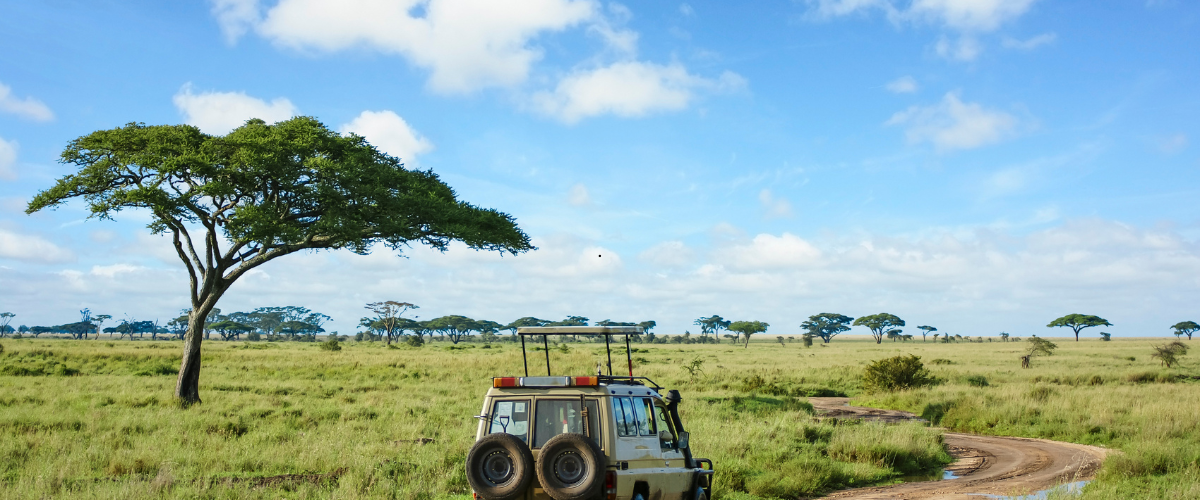
While safaris are a major expense, careful budgeting allows you to experience Tanzania’s breathtaking wildlife.
Safari: Tanzania is home to iconic wildlife destinations like the Serengeti, Ngorongoro Crater, Tarangire, Lake Manyara, and Arusha National Park. Safari costs include park entry fees, 4×4 vehicles, and licensed guides. Even a budget camping safari will add hundreds of dollars to your expenses.
Zanzibar: A quick flight or ferry ride away, Zanzibar offers historic Stone Town, pristine beaches, and spice tours. While living on the island can be cheap, ferry tickets and tourist activities add up.
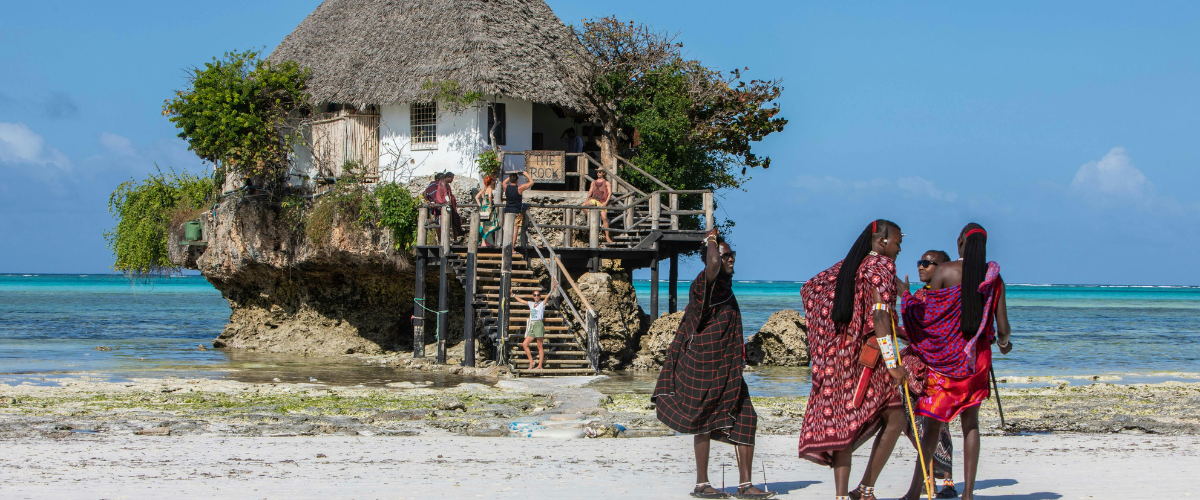
Weekend trips to Zanzibar offer a stunning contrast to mainland Tanzania, blending history with spectacular coastlines.
Mount Kilimanjaro: Climbing Africa’s highest peak is an incredible achievement, but it is a major additional expense (often $1,500 to $2,500+) due to mandatory park fees, guides, and porters. This should not be included in a basic $300/week gap-year budget.
Affordable Local Experiences: If you are on a tight budget, opt for cheaper local experiences! Explore nearby waterfalls, take a local coffee tour, go hiking, visit cultural markets, or attend community festivals.
Sample 4-Week Gap Year Budget
Below is an illustrative planning estimate for a 4-week Tanzania gap year. Please note that these are estimates and should be verified before booking.
| Expense Category | Budget Estimate (4 Weeks) |
|---|---|
| Programme Fee | $1,200 (Starting from ~$300/week) |
| Accommodation | Included in programme fee |
| Food (Local) | $100 – $200 (If not fully included) |
| Local Transport | $30 – $50 (Dala-dalas & Bajajs) |
| Visa & Permits | $50 – $250 (Depends on ordinary vs. CTA/CTA permit) |
| Travel Insurance | $50 – $100 |
| International Flights | $800 – $1,500 (Varies by origin) |
| Personal Expenses | $100 – $200 |
| Weekend Activities | $100 – $300 (Local excursions) |
| Emergency Buffer | $200 |
Sample 3-Month Gap Year Budget
If you are staying for a 12-week Tanzania internship or volunteer programme, your weekly averages will likely drop. Here is how different travel styles compare over 3 months (excluding international flights and insurance):
- Ultra-Budget (~$3,800 – $4,500): Focuses purely on the programme, eating locally, minimal paid excursions, and living a truly local lifestyle. Staying longer usually reduces the average weekly programme cost with many providers.
- Comfortable Budget (~$5,000 – $6,000): Includes regular cafe visits, private taxis, a few weekend getaways to hot springs or waterfalls, and a larger personal spending allowance.
- Adventure Budget (~$7,000+): Includes the base programme plus major add-ons like a multi-day Serengeti safari, a flight to Zanzibar, and extensive weekend travelling.
If you are hoping to build your resume while travelling, learn about professional internships in Tanzania to see how longer stays provide better value.
How to Save Money on a Tanzania Gap Year
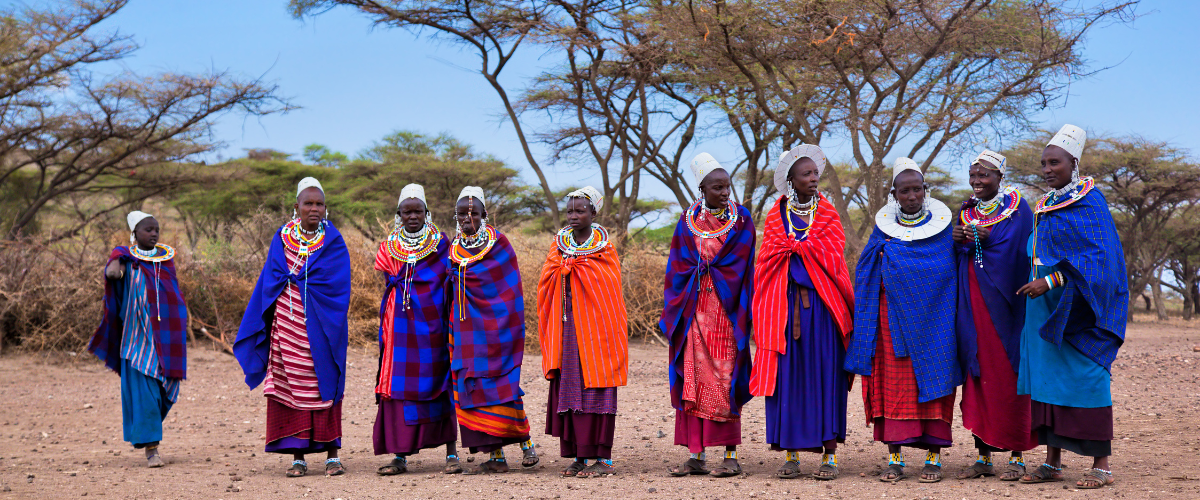
The most valuable moments of a gap year often come from free, everyday interactions with local communities.
- Stay longer: Weekly programme rates usually become cheaper the longer you stay.
- Eat local food: Skip imported Western food and embrace Tanzanian staples like rice, beans, and fresh fruit.
- Use local transport: Dala-dalas cost a fraction of private taxis.
- Avoid unnecessary taxis: Walk safely during the day where appropriate.
- Travel during lower-demand periods: Flights are cheaper outside of peak summer and holiday windows.
- Compare programme inclusions: A slightly higher upfront fee that includes 3 meals a day and airport transfers might be cheaper overall than a “low cost” programme with hidden fees.
- Plan weekend adventures in advance: Grouping up with other volunteers can lower the cost of private transport to local sites.
- Set a weekly spending limit: Withdraw cash once a week to monitor exactly what you spend.
- Build an emergency fund: Always have backup cash for unexpected medical trips or travel delays.
- Prioritise meaningful experiences: Combine volunteering with skills-based internships for a richer, more grounded experience.
How to Choose a Budget Gap Year Programme
The cheapest programme is not necessarily the best value, nor the most ethical. When researching volunteer opportunities Tanzania offers, use this checklist to compare providers:
- What is explicitly included in the programme fee?
- Where will I stay (homestay vs. volunteer house)?
- Are daily meals included?
- Is airport pickup included upon arrival?
- What 24/7 in-country support is available?
- Who supervises the project on a daily basis?
- What are the exact visa and permit requirements?
- Are there any additional fees upon arrival?
- Is the programme locally managed, ensuring funds stay in the community?
- How does the organisation measure community impact?
- What happens during weekends?
- What is the emergency protocol?
To dive deeper into programme value, compare Tanzania volunteer programme costs to see what fits your budget.
Why Tanzania is a Great Gap Year Destination
Tanzania offers a magical blend that few other countries can match. From the bustling cultural hubs of Arusha and Moshi to the endless plains of the Serengeti and the Ngorongoro Crater, the country is unparalleled for wildlife. Add the spice-scented breezes of Zanzibar and the towering presence of Mount Kilimanjaro, and you have the ultimate adventure backdrop.
But beyond the scenery, Tanzania shines because of its people. Immersing yourself in the Swahili language, participating in teaching volunteer programmes, or supporting women empowerment initiatives allows you to foster deep connections. By engaging in responsible travel Tanzania style, your gap year becomes a powerful catalyst for personal and professional development.
Frequently Asked Questions
How much does a gap year in Tanzania cost?
The cost varies widely based on lifestyle and duration. A 4-week gap year typically ranges from $2,500 to $4,000 in total, encompassing programme fees, flights, visas, basic local transport, and food. Extensive safaris or mountain treks will increase this significantly.
Can I do a Tanzania gap year for $300 per week?
Yes, $300 per week is a common starting point for basic programme fees (covering placement, housing, and support). However, you must budget extra for international flights, visas, travel insurance, weekend excursions, and personal spending.
What does a Tanzania volunteer programme fee include?
Most reputable programmes include shared accommodation or a homestay, an airport pickup, an orientation briefing, project placement, and 24/7 in-country support. Some also include meals, but always check the specific terms of your provider.
Is Tanzania affordable for students?
Absolutely. By eating local street food, using public transport like dala-dalas, staying in volunteer houses or budget hostels, and prioritising community experiences over luxury tours, students can comfortably manage a tight budget.
How much should I budget for food in Tanzania?
If meals aren’t included in your programme, budget around $5–$10 a day for local food (rice, beans, ugali, fresh fruit). If you prefer eating at tourist-oriented or Western-style restaurants, expect to spend $15–$30+ per day.
How much does a Tanzania safari cost during a gap year?
Safaris are premium experiences due to high park fees and vehicle costs. Even a budget camping safari shared with other volunteers will typically cost between $180 and $250+ per day.
Can I volunteer in Tanzania during a gap year?
Yes! Volunteering is one of the most popular gap year activities. You can support medical volunteering projects, teaching initiatives, or community development efforts.
Can I combine volunteering and travel in Tanzania?
Definitely. Most volunteers work Monday through Friday, leaving weekends free to explore waterfalls, hike, or visit cultural sites. Longer trips to Zanzibar or the Serengeti are often taken before or after the volunteer placement.
Is Zanzibar expensive for gap-year travellers?
Zanzibar can be done on a budget if you stay in basic hostels and eat at local markets like Forodhani Gardens. However, the flights/ferries to get there and tourist-focused beach resorts can quickly drain a backpacker’s budget.
What visa do I need to volunteer in Tanzania?
Visa regulations strictly dictate what you can and cannot do. An ordinary tourist visa does not automatically permit volunteering or internships. Always consult your programme provider and the official Tanzania Immigration Services website to apply for the correct permit.
How can I reduce my Tanzania gap-year costs?
To save money, book your flights early, stay longer to reduce your average weekly programme cost, eat local Tanzanian food, walk or take dala-dalas, and prioritise free or low-cost local cultural experiences over expensive tourist traps.
Start Planning Your Gap Year Today
A gap year does not have to be financially out of reach. With careful planning, choosing the right programme, and controlling everyday expenses, Tanzania can offer an affordable way to combine meaningful work, cultural immersion, and unforgettable travel.
Are you ready to turn your gap year dreams into a reality? Explore our budget-friendly volunteer programmes and start building your life-changing itinerary today.