The Real Challenges of Volunteering in Tanzania (What No One Tells You)
Volunteering in Tanzania is often pitched as a deeply transformative adventure, and it absolutely is. But if you scroll through social media, you usually only see the smiling faces, stunning Serengeti sunsets, and inspiring success stories.
What rarely makes it into the highlight reel are the very real, very human challenges you will face on the ground. These hurdles are not here to scare you off. They are the gritty, authentic moments that will ultimately make your experience so deeply rewarding. Here is what to actually expect.

1. The Reality of Shock
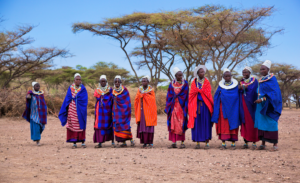
Let us be honest: stepping off the plane into a totally new environment is jarring. The sights, the sounds, and the way people interact are all going to feel incredibly different. Life in many Tanzanian communities leans heavily on communal ties and a slower, more deliberate pace than the highly scheduled lives many of us are used to.
At first? It might feel pretty uncomfortable. But give it time. Eventually, this shift in perspective becomes one of the most enriching parts of the trip.
2. The Swahili Stumbling Block
Yes, English is spoken in schools and larger cities, but Swahili is the heartbeat of everyday life here. This naturally leads to some awkward, and sometimes hilarious, communication gaps.
-
Patience is key: Basic chats might take twice as long to get through.
-
Things get lost in translation: Project instructions might need to be explained a few different ways.
-
Connection takes effort: Building deep friendships requires stepping out of your comfort zone.
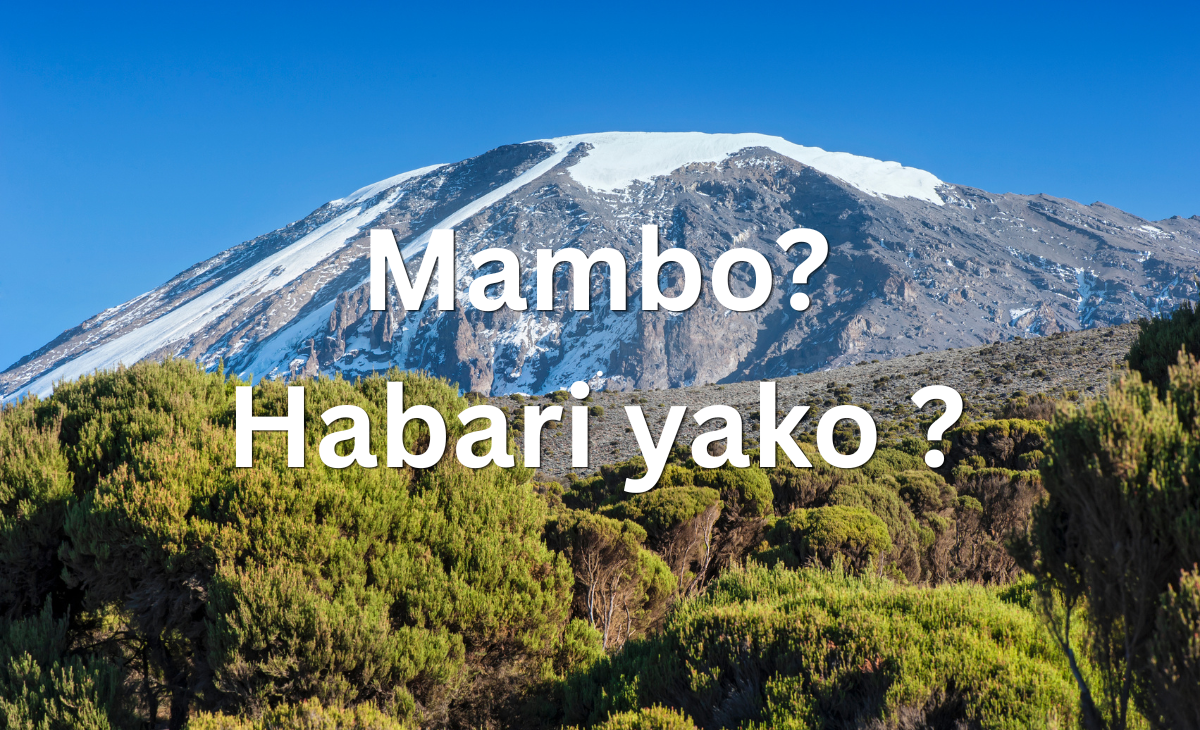
The good news? Tanzanians are incredibly welcoming and forgiving. Picking up just a few basic Swahili phrases, like Mambo (What is up?) or Asante (Thank you), goes a remarkably long way in breaking the ice.
3. Making Do with Less
It can be a shock to step into a school or clinic and realize how few resources are actually available. You might find classrooms with barely any textbooks, clinics running on absolute essentials, and community projects that rely entirely on grit and creativity rather than modern technology.
While this can be frustrating at times, it is also a masterclass in adaptability. You will learn exactly how much you can achieve with just the basics.
4. The Emotional Rollercoaster
This is the challenge people talk about the least. Confronting systemic poverty, inequality, or a lack of basic services directly is heavy. It is completely normal to feel overwhelmed, guilty, or helpless during your first few days.
But as you settle in, that initial shock usually transforms. It shifts from feeling paralyzed by the problem to feeling motivated by the actual daily work you are doing alongside the community.
5. Letting Go of the Clock
If you live your life by a strict daily planner, prepare to let that go. Things happen when they happen. Meetings might start later than planned, or the schedule for the day might flip completely based on local circumstances or the weather.
Learning to breathe, slow down, and go with the flow is not just necessary for your sanity. It is a beautiful cultural lesson in living in the present moment.
6. Navigating the Daily Grind
Your daily comforts are going to look different, and your body will need time to catch up:
-
The Food: Your stomach will need a few days to adjust to new, local ingredients.
-
The Climate: The heat and humidity can be physically draining until you acclimate.
-
The Quarters: You will likely be living in simpler accommodations, especially in rural areas.

These are not necessarily hardships. They are just part of the reality of living locally rather than staying in a tourist bubble.
7. Dropping Your Expectations
Perhaps the toughest battle is the one in your own head. Many volunteers arrive with grand ideas of exactly what they will achieve in a few short weeks. But real, ethical volunteering is flexible and driven by the needs of the community, not your personal goals.
Learning to drop your rigid expectations and simply listen to what the community actually needs is how you create genuine impact.
Final Thoughts
The challenges of volunteering in Tanzania are not roadblocks. They are the journey.
Discomfort turns into resilience. Confusion turns into understanding. And what feels unbelievably hard on day one often becomes the memory you cherish most by the time you leave. In the end, you do not just leave an impact on the community, the community leaves a lasting impact on you.