Tanzania is now one of East Africa’s most popular places for interns. There are real internship opportunities in Tanzania across a range of fields, including the NGO sector, tourism, health care, agriculture, and emerging tech. This guide sets out exactly what is on offer, explains the application process, and shows how to select a placement that provides real value to you and the host organisation.
If you are a student looking for a summer placement, a recent graduate gaining experience or a career changer investigating development work, then this guide is for you.
What Internship Opportunities in Tanzania Usually Entail
Internships in Tanzania vary from formal placements with established NGOs to smaller, hands-on roles with local businesses. Internships may last from one to six months, and may be full or part time depending on the specific organisation.
Typical features include: on-site supervision, a defined scope of work, and often some combination of accommodation, meals, or a stipend. Some organisations charge a program fee for logistics and co-ordination. Others offer unpaid placements for free. Both models are out there and neither is better than the other.
What is most critical is that the placement provides you with meaningful work, suitable supervision and an understanding of what you will be doing.
Top Choice for Internships
The sectors that employ the most interns in Tanzania are as:
Development work and NGO work
Tanzania has a large NGO sector working on education, health, child welfare, water access and community development. Interns usually work in program support, monitoring and evaluation, communications, fundraising or field work. Placements can range from a few weeks to several months and usually involve working directly with local communities.
Medical and healthcare internships
Internships in hospitals, clinics and health-oriented NGOs in the fields of public health and medicine. Roles include clinical observation, community health outreach and education. Medical interns should be prepared to work in the Tanzanian health system and adhere to local rules about clinical practice.
Tourism and hospitality
Tourism is the largest sector in Tanzania. Internships are available in tour operations, lodge management, customer experience, marketing and guiding support. Because of the seasonality of the industry, many of the placements are during high safari season, which is June to October.
Business, Marketing and Communications
Interns are accepted in marketing, social media, content writing, sales and business development from growing companies in Dar es Salaam, Arusha and Mwanza. These placements are available for students in business, communications or related fields.
Agriculture and the environment
Agriculture employs a large percentage of Tanzania’s workforce. Internships are available in agribusiness, sustainable farming, conservation and environmental management with farms, co-operatives and NGOs. Wildlife or habitat management is often part of conservation placements.
Education and teaching
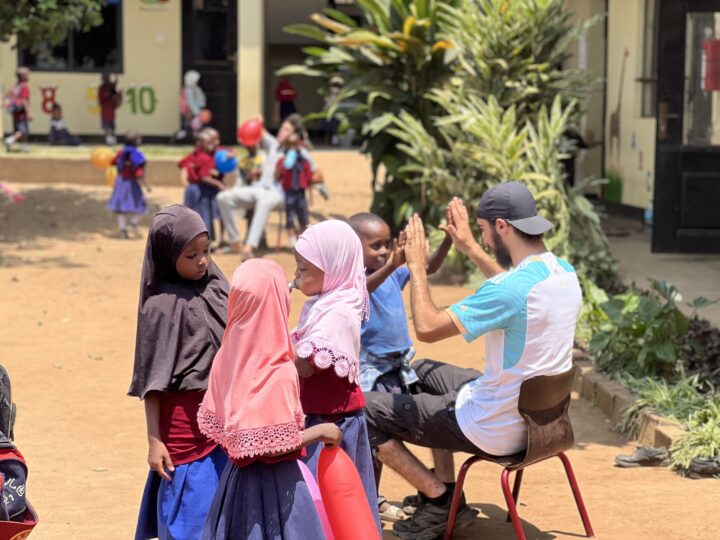
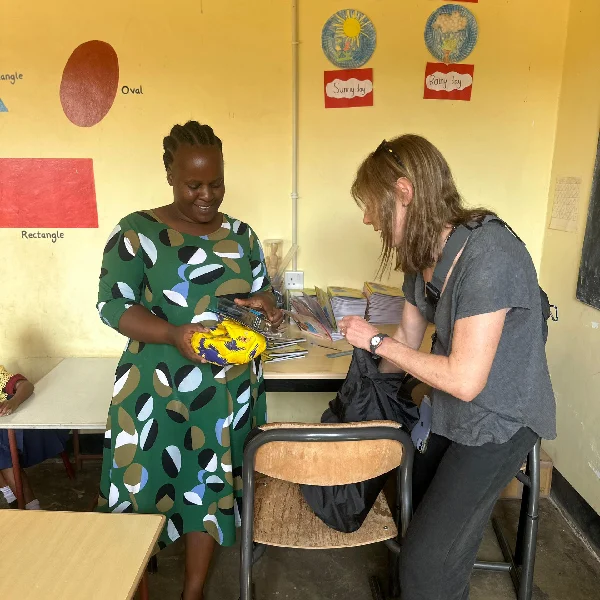
Internship opportunities are available in teaching support, curriculum development and student mentoring in schools, community centers and NGOs working in education. These placements are great for those looking to become teachers, education students and anyone with an interest in early childhood development.
Finding internship opportunities in Tanzania
There are a variety of practical ways to find internship opportunities in Tanzania:
- Immediate applications. Research organisations in your field and contact them directly with a CV and a short motivation letter. This often yields the best results, because you’re pitching yourself instead of applying for a generic listing.
- University collaborations. There are many exchange agreements between universities and Tanzanian institutions. If your university offers this, it usually comes with structured support and academic credit.
- Organisations for internship placement. Programs such as those listed on Volunteers Tanzania connect interns with host organisations, and also organise the logistics. These are handy if you want supported placement instead of having to arrange everything on your own.
- Professional Networking. LinkedIn, alumni networks and academic supervisors are often the quickest route into a placement in a particular sector.
Application requirements
Most host organisations require:
- A recent CV or resume
- Motivation letter about your interest and what you can bring
- Academic transcripts or proof of registration (if required)
- Reference from previous employer or supervisor
- Travel and health insurance for the length of your stay
- Some placements require Police Clearance or Background Check
- Proof of professional competence or enrolment for medical placements
Note that requirements and requisites will differ by organization and sector. Good placements are up-front about what they need before you commit to anything.
Visa and Legal requirements
A standard tourist visa is not a foundational requisite for an internship in Tanzania. If you are doing an internship, you will normally need one of these:
- A Special Pass (also known as a CTA pass). It requires sponsorship from a registered Tanzanian host organization.
- Long placements, Class C Residence Permit
Always check the visa requirements with your host organization before booking your flights. The rules are specific by type of work and duration of stay. If you have the visa situation in writing, this protects you from trouble at the border.
Costs to plan for
The cost will vary greatly depending on the location.
- Typically, supported placements cover program fees which include accommodation, meals, local coordination and airport pick-up.
- You may not be charged a fee for direct placements but you will need to arrange your own accommodation and transport.
- Flights, insurance, personal spending money and visa fees are almost always extra.
Before you buy, get a complete list of what’s included and what’s not.
How to find a good internship program
Some programs are better than others. Before you register, ask:
- What will I actually do day to day?
- Who is going to be my supervisor and what experience do they bring?
- Is the hosting organization registered in Tanzania?
- What is included and excluded in the program fee?
- What support do you have if you have a problem during your placement?
- I’m happy to put you in touch with former interns for a reference.
A good program will address these head on. If any answer is fuzzy, take it as a warning sign.
What to expect when you arrive
Life in Tanzania is not what many interns expect it to be. Things move at a different pace. People communicate differently. Working in a local organization demands flexibility and a real curiosity about how things work in the country.
Those interns who get the most out of a placement are those who come with an open mind, ask questions and acclimatise to the local way of working. That makes for a richer experience.
Practical considerations include reliable internet, transport and safety. Your host organization will brief you on all three when you arrive.
Interns reasons for selecting Tanzania
Tanzania has something that most internship locations don’t. Genuine development work in a fast-growing economy, with a breathtaking natural environment and a long tradition of welcoming international visitors.
From community work to healthcare, conservation to business, education and beyond, there is a placement for you. The country needs ready interns.
Interested in internship opportunities in Tanzania
Moreover, Volunteers Tanzania connects internship opportunities in Tanzania with host organisations across the country. Whether you are looking for a short placement or a longer program, the team can help you find a role that fits your field, timeline and goals.
To begin your application for internship opportunities in Tanzania, get in touch with Volunteers Tanzania for tailored assistance.